Crops › Blackcurrant
How to grow Blackcurrant
in the UK
Sow November to March, plant out December, harvest July to August. About 120 days from seed to plate.
Blackcurrants are a proper cracking bush fruit to have on your allotment, dead easy to grow, to be honest. You get loads of fruit for very little effort, perfect for jams, pies, or just freezing for later. They don't take up a massive amount of space either, so they're a good choice for most plots.
Sowing
Blackcurrants are usually started from bare-root bushes, not seeds or plugs, you know. You can plant these from November right through to March, when the plant is dormant. Dig a decent hole, making sure you plant them deeper than they were in the nursery, about 5-10 cm deeper. This encourages new shoots from the base, giving you a stronger, more productive bush in the long run. Space them about 1.5 metres apart if you're putting in a row. They're hardy, so no need for a greenhouse or anything like that for planting out.
Growing on
Once your bare-root bush is in, there's not much faffing about needed for "growing on" like you would with seedlings. Just make sure the soil is firmed around the roots. They don't need pricking out or hardening off, as they go straight into the ground. Blackcurrants are quite sturdy, so no real need for support unless your plot is particularly exposed to high winds. They can be grown in large containers if you're short on space, but a good deep pot is a must, like a half-barrel or something similar.
Looking after it
Keep them watered, especially when the fruit is setting and swelling, mind. A good annual mulch of well-rotted compost or manure around the base in spring will keep the weeds down and feed the plant. Remove the oldest wood each year after harvesting to encourage new, productive growth – that's how you keep them going strong, to be honest.
What goes wrong
The main things to watch out for are big bud mite and leaf spot. Big bud mite makes the buds swell up unusually large in winter; you'll want to pick those off and burn them. Leaf spot can make the leaves look a bit shabby, especially in wet summers. Keeping the air circulating by pruning properly helps. Companion planting chives and comfrey nearby can also help keep them healthy.
Harvest
You'll be picking your blackcurrants in July and August, about 120 days after they start growing properly, like. Wait until they're good and dark, proper ripe, then just strip them from the stems. They freeze whole a treat for smoothies and jams – just pop them straight into a bag. You can keep them in the fridge for about a week, but they're best used fresh or frozen sharpish.
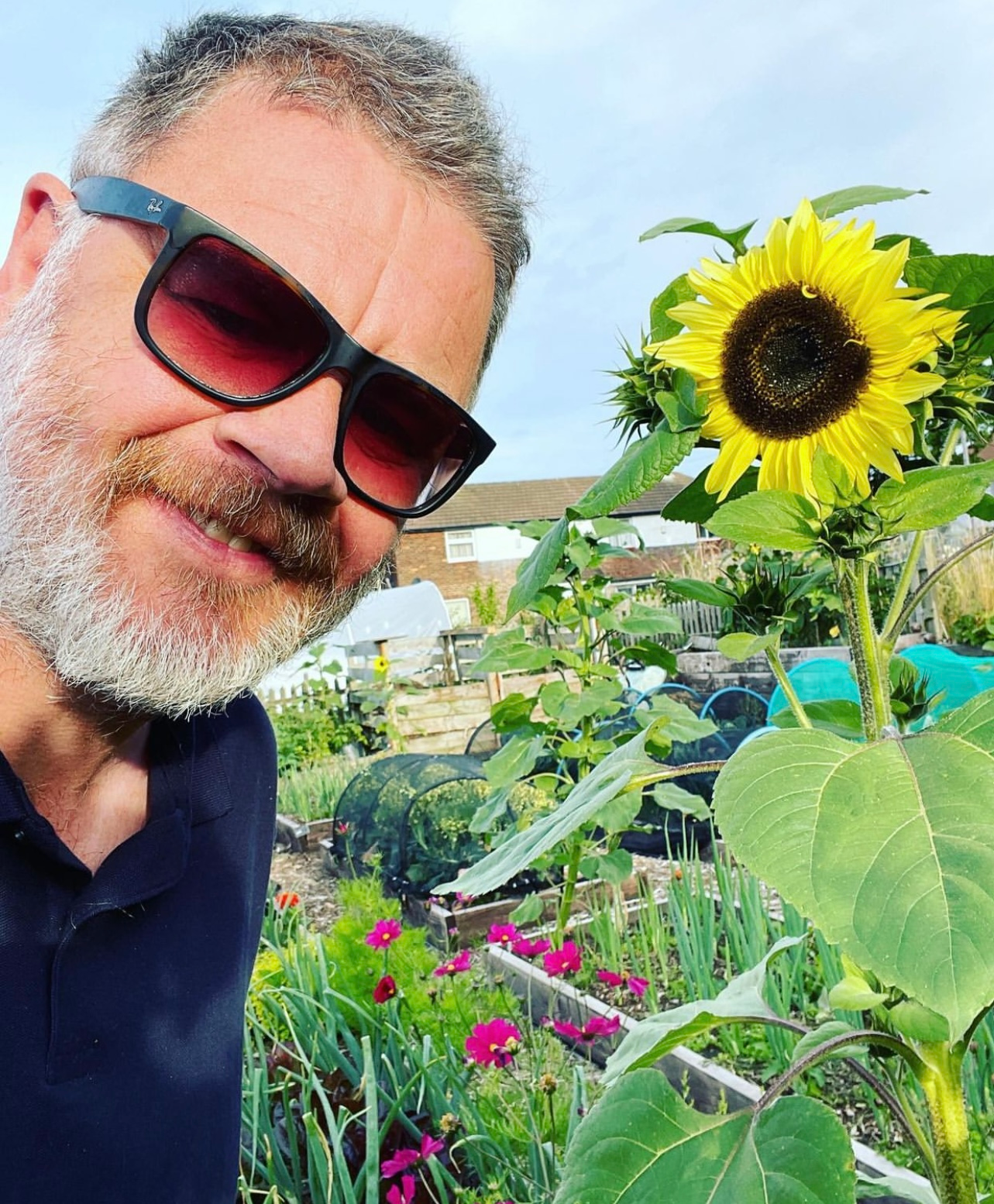
I always make sure to give my blackcurrant bushes a good prune after harvest; cutting out that old, unproductive wood really keeps them fruitful year after year, it makes all the difference.
Dates for your plot
Type the first half of your postcode and the plant-out advice shifts to your area's typical frost dates.
Varieties, and whether the club would grow them again
| Variety | Club verdict |
|---|---|
| Ben Lomond Heavy-cropping UK blackcurrant. This reliable performer is a cracking choice for a steady supply of fruit. | No club votes yet |
| Ben Sarek Heavy-cropping UK blackcurrant. It's known for its compact habit, great if you've got less space on the plot. | No club votes yet |
| Ben Connan Heavy-cropping UK blackcurrant. This one is particularly good for disease resistance, making it less faff to grow. | No club votes yet |
| Ben Nevis Heavy-cropping UK blackcurrant. A really popular choice, giving you a proper harvest season after season. | No club votes yet |
| Ben Alder Heavy-cropping UK blackcurrant. If you're after a late-season pick, this variety will extend your harvest. | No club votes yet |
| Ben Hope Heavy-cropping UK blackcurrant. Known for its strong growth and good yields, it's a solid choice for any allotment. | No club votes yet |
| Ben Tirran Heavy-cropping UK blackcurrant. This variety is another later cropper, so you get fruit when others are winding down. | No club votes yet |
| Big Ben Heavy-cropping UK blackcurrant. As the name suggests, it gives a proper big crop of large, tasty berries. | No club votes yet |
| Baldwin Heavy-cropping UK blackcurrant. An old favourite, reliable and known for its strong, distinctive flavour. | No club votes yet |
| Ebony Heavy-cropping UK blackcurrant. This one boasts very dark, sweet fruits, excellent for all your culinary needs. | No club votes yet |
| Titania Heavy-cropping UK blackcurrant. A vigorous grower with good disease resistance, it's a sturdy plant for the plot. | No club votes yet |
| Foxendown Heavy-cropping UK blackcurrant. This modern variety offers a good balance of yield and disease resistance. | No club votes yet |
Votes are members rating varieties in their Seed Tin, one vote per gardener. Tap a variety for the full page and where to buy.
Buy Blackcurrant seeds
Partner retailers. If you buy through these links we may earn a small commission. It never costs you more.
Cook the harvest
A rich, velvety baked cheesecake with a buttery biscuit base and a dense cream cheese filling swirled with sharp blackcurrant compote. The deep purple-black berry cuts through the sweetness of the cream cheese in the most satisfying way, creating a dessert that is both elegant and intensely flavoured.
85 min · mediumPan-roasted duck breast served with a glossy, intense blackcurrant and red wine sauce — a classic combination that showcases why this bold, sharp berry is one of the finest partners for rich game and waterfowl. The sauce takes minutes to make while the duck rests.
35 min · mediumPerfectly rendered, crisp-skinned duck breast is paired with a glossy, deeply flavoured blackcurrant sauce enriched with port and thyme in this elegant restaurant-quality main course. The blackcurrant's bold acidity and fruity tartness is the natural companion to rich duck — a more characterful and seasonal version of the classic orange sauce. Serve with soft polenta or dauphinois potatoes.
50 min · mediumA striking tart with a crisp, sweet pastry shell filled with a glossy blackcurrant curd and topped with fresh blackcurrants. The curd has an almost shocking intensity of flavour — sharp, fruity, and deeply purple — that makes this one of the most memorable summer tarts in the British baking repertoire.
75 min · challengingWatch for, and grow alongside
Companions: chives, comfrey
Questions people ask
When do you sow Blackcurrant in the UK?
Sow Blackcurrant from November to March. Plant out December, after the last frost.
How long does Blackcurrant take from sowing to harvest?
Roughly 120 days, with the harvest July to August.
Which Blackcurrant varieties do gardeners grow again?
Club members rate every variety they grow. This page shows the grow-again votes for Ben Lomond, Ben Sarek, Ben Connan, Ben Nevis and more.
Track your Blackcurrant from packet to plate
Sowing reminders and harvest forecasts for your own frost dates, the Seed Tin, Scan Centre for any label or packet, and the Potty Mouth Garden Club. Free to start.
Allotment keeper in the North East of England, the voice behind the Tony C Smith YouTube channel, and the gardener who built GrowMore CookMore. Club numbers on this page update as members log their plots. Last updated 3 September 2026.