
Crops › Fig
How to grow Fig
in the UK
Sow March to May, plant out June to July, harvest August to October. About 150 days from seed to plate.
Figs, eh? Bit of a surprise for a Northern allotment, but they're cracking if you give 'em a bit of love. They're classed as a tropical fruit, you know, so it's a bit of a challenge, medium difficulty, but the taste of your own fresh fig is something else.
Sowing
You're looking at sowing fig seeds from about March through to May, best done indoors where it's warm and cosy. Pop 'em about 1cm deep in small pots of good compost, give 'em a drink and keep 'em on a sunny windowsill or in a propagator. They need a steady temperature, ideally around 18-21°C, to get going properly. Takes a while for 'em to germinate, so be patient, like. You won't find plug plants for these generally, it's a seed job or buying a young plant.
Growing on
Once your seedlings are big enough to handle, prick 'em out carefully into individual 9cm pots. Let 'em grow on in a bright, frost-free spot. When the risk of frost has well and truly passed – that's usually mid to late May up here, a bit earlier further south – you can start hardening them off. Plant 'em into big pots, at least 45-60cm across, or a lined pit in the ground to restrict their roots; that's key for getting proper fruit.
Looking after it
Figs need a fair bit of water, especially when they're fruiting, so don't let the pots dry out. A balanced liquid feed now and then through the summer helps. The big thing, like I say, is restricting those roots – it really encourages fruiting. Fan prune 'em a bit to keep the shape and get more sun on the fruit. And remember to protect young figs over winter, especially if they're outdoors.
What goes wrong
Figs can get a bit bothered by scale insects, which look like little bumps on the stems and leaves, sucking the sap. Red spider mites can be a nuisance too, especially in a greenhouse if it gets too dry, leaving fine webbing and mottled leaves. Keep an eye out and deal with 'em quickly; a good wash with soapy water often does the trick for scale, and misting for mites. Lavender and rosemary nearby can help deter some things, mind.
Harvest
You're looking at harvesting your figs from August right through to October, roughly 150 days after you've sown them. They're ready when they feel soft to the touch and the skin might start to crack a bit. Give 'em a gentle twist and they should come away easily. They're best eaten fresh, straight off the plant, as they don't store for long. If you get a proper glut, you can dry 'em out.
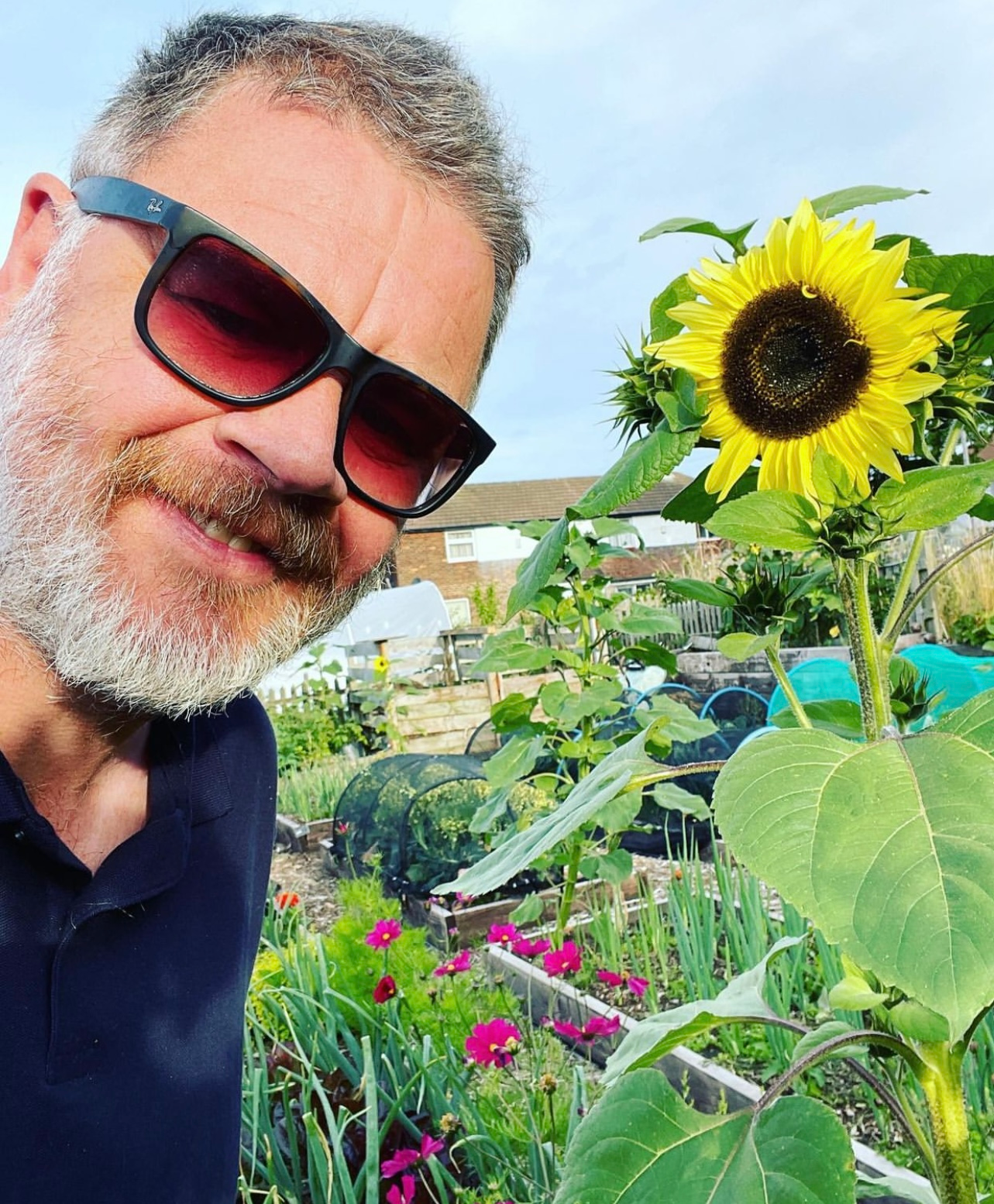
I always make sure to keep my fig in a proper big pot, you know, to give 'em that good squeeze on the roots, it makes all the difference for getting a decent crop of fruit.
Dates for your plot
Type the first half of your postcode and the plant-out advice shifts to your area's typical frost dates.
Varieties, and whether the club would grow them again
| Variety | Club verdict |
|---|---|
| Brown Turkey This one's a proper reliable fig for us in the UK, producing two crops. Great if you've got a warm wall or a big pot for it. | No club votes yet |
| Brunswick Another cracking, reliable fig that does well here in the UK, giving you two harvests. It's best grown against a warm wall or in a large container. | No club votes yet |
| Celeste This fig is a truly reliable choice for UK growing, offering both breba and maincrop fruits. Ideal for a warm, sheltered spot or a sizeable pot. | No club votes yet |
| Hardy Chicago A really tough, reliable fig that performs well in the UK climate. Perfect for growing in a pot or against a warm, sunny wall. | No club votes yet |
| Rouge de Bordeaux This is a dependable fig for UK gardeners, known for its two crops of fruit. It thrives best when planted against a warm wall or in a container. | No club votes yet |
| Madeleine des Deux Saisons A reliable fig producing two crops, which is great for UK conditions. Best suited for a warm wall or growing in a large pot. | No club votes yet |
| Dalmatie This reliable fig variety is a good bet for UK growing, giving you two sets of fruit. It'll do best in a pot or against a warm, sunny wall. | No club votes yet |
| Panache (Tiger) A reliable and distinctive fig for the UK, known for its striped skin and two crops. Best grown in a warm spot, like against a wall, or in a big pot. | No club votes yet |
| White Marseille This is a truly reliable fig for the UK, giving you a good breba and maincrop. It's ideal for a warm wall or keeping in a large pot. | No club votes yet |
| Violette de Solliès A reliable fig choice for UK gardeners, delivering two crops of fruit. This one is best against a warm wall or grown in a large container. | No club votes yet |
| Kadota This reliable fig variety does well in the UK, producing both early and maincrop fruits. It's best suited to a warm wall or a large pot. | No club votes yet |
| Ronde de Bordeaux A dependable fig for UK growing, giving you two harvests of lovely fruit. Grow it against a warm wall or in a substantial pot for best results. | No club votes yet |
Votes are members rating varieties in their Seed Tin, one vote per gardener. Tap a variety for the full page and where to buy.
Buy Fig seeds
Partner retailers. If you buy through these links we may earn a small commission. It never costs you more.
Cook the harvest
A magnificent tart with a crisp, sweet pastry shell filled with baked almond frangipane and topped with fresh fig halves that caramelise in the oven to a deep, gorgeous colour. The rich almond cream and the honeyed sweetness of the figs are one of the great flavour pairings in British seasonal baking.
85 min · challengingA gorgeous open tart with a crisp pastry case filled with a lightly sweetened almond cream, topped with halved fresh figs and finished with a generous drizzle of warm honey and a scattering of fresh thyme. The figs caramelise beautifully at the edges in the oven, the almond cream sets into a soft, fragrant layer beneath them, and the honey pools in the crevices. An autumn showstopper.
65 min · mediumGriddled lamb chops served with a quick, luxurious fig and rosemary sauce that brings together the deep earthiness of lamb with the honeyed sweetness of fresh figs. This is a sophisticated British autumn weeknight meal that can be on the table in well under an hour.
35 min · mediumOne of the most effortlessly beautiful dishes in the British late summer table — ripe fresh figs split open and served with silky prosciutto, peppery rocket, and a drizzle of aged balsamic and honey. Ready in minutes, this starter needs no cooking and lets the extraordinary flavour of British-grown figs speak for itself.
10 min · easyWatch for, and grow alongside
Companions: lavender, rosemary
Questions people ask
When do you sow Fig in the UK?
Sow Fig from March to May. Plant out June to July, after the last frost.
How long does Fig take from sowing to harvest?
Roughly 150 days, with the harvest August to October.
Which Fig varieties do gardeners grow again?
Club members rate every variety they grow. This page shows the grow-again votes for Brown Turkey, Brunswick, Celeste, Hardy Chicago and more.
Track your Fig from packet to plate
Sowing reminders and harvest forecasts for your own frost dates, the Seed Tin, Scan Centre for any label or packet, and the Potty Mouth Garden Club. Free to start.
Allotment keeper in the North East of England, the voice behind the Tony C Smith YouTube channel, and the gardener who built GrowMore CookMore. Club numbers on this page update as members log their plots. Last updated 3 September 2026.