
Crops › Redcurrant
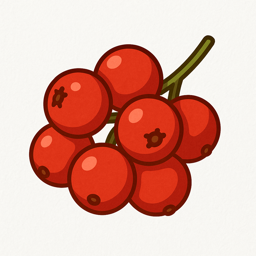
How to grow Redcurrant
in the UK
Sow November to March, plant out December, harvest July to August. About 115 days from seed to plate.
If you're after something proper easy and reliable for your plot, redcurrants are a cracking choice. They're bush fruits, you see, not too much fuss once they're settled in, and brilliant for making your own jellies and sauces. I'm always chuffed with a good crop from mine.
Sowing
Redcurrants are mostly grown from bare-root bushes, not little plug plants like some things, so you'll be looking to get those in the ground over the colder months, from November right through to March. When you're planting them, make sure to dig a good-sized hole, plenty big enough for the roots to spread out, and give them a good drink of water once they're in. Like I say, they're not too fussy, but a solid start makes all the difference, giving them a chance to get established before the proper growing season kicks off.
Growing on
Once you've got your bare-root bush, find it a good spot on the plot where it gets a bit of sun. Give it plenty of room, about 1.5 metres between each bush, so it can spread its branches without feeling crowded. The GrowMore CookMore app says to prune them into an open goblet shape, and that's proper good advice for letting the light and air get in, helping with the fruit. You won't need much support, but sometimes a heavy branch laden with fruit might appreciate a little bit of help.
Looking after it
Keeping your redcurrants happy is mostly about good pruning and a bit of a drink. To be honest, the app's spot on about pruning them into an open goblet shape, with those side shoots spur-pruned in winter. This keeps the plant productive and easy to manage. Make sure they get regular water, especially when the fruit is swelling, and a good mulch around the base will help keep the moisture in and those pesky weeds down.
What goes wrong
Now, birds, they're the biggest menace to your redcurrants, you know what I mean? They'll strip a bush clean in no time, so get some netting over them as soon as the fruit starts to colour up. Sawfly can be a bit of a problem too, munching away at the leaves, so keep an eye out for those grubs. Some folks reckon planting chives or tansy nearby can help deter a few things, and it's worth a try if you've got the space.
Harvest
You'll be harvesting your redcurrants in July and August, about 115 days after they've been established. You'll know they're ready when they're a proper bright red and look plump and juicy. It's best to pick whole strigs, that's what we call the little stalks with all the berries on, rather than individual berries. They keep well chilled for a bit, but to be honest, they're absolutely cracking for jellies, sauces, or just freezing for later.

Honestly, don't skimp on the netting when those berries start to ripen; nothing's more disheartening than a bare bush you'd been looking forward to.
Dates for your plot
Type the first half of your postcode and the plant-out advice shifts to your area's typical frost dates.
Varieties, and whether the club would grow them again
| Variety | Club verdict |
|---|---|
| Rovada A really reliable redcurrant for the UK gardener, giving you a good, steady crop. This one's a solid all-rounder for anyone wanting decent yields. | No club votes yet |
| Jonkheer van Tets Another dependable maincrop, this one's well-known for its consistent performance across the UK. It's a great choice if you're after a regular supply of berries. | No club votes yet |
| Red Lake This variety is a tried and tested redcurrant, performing reliably in our UK climate. If you want a consistent crop for everyday use, this one won't let you down. | No club votes yet |
| Rondom A cracking, reliable maincrop redcurrant that does well in the UK. This bush offers good yields of berries perfect for cooking. | No club votes yet |
| Rosetta A trustworthy redcurrant variety for the UK, offering solid performance on the plot. It's a good choice for consistent harvests and general kitchen use. | No club votes yet |
| Laxton’s No.1 This is a classic, reliable redcurrant that has been popular in the UK for ages. You can count on it for a good crop of traditional berries. | No club votes yet |
| Redpoll Another maincrop redcurrant that you can rely on to do well in the UK. This variety is a good solid performer for your allotment or garden. | No club votes yet |
| Tatran A dependable maincrop redcurrant, known for its consistent yields in the UK. It's a straightforward choice for anyone looking for reliable fruit. | No club votes yet |
| Rovada Late This is a later-fruiting variant of the reliable Rovada, extending your harvest season in the UK. A great option if you want to spread out your redcurrant bounty. | No club votes yet |
| Stanza A very reliable redcurrant variety, performing well for UK growers as a maincrop. You'll get a good, steady harvest from this one. | No club votes yet |
| Roodneus This maincrop redcurrant is a reliable performer across the UK. It's a straightforward choice for a consistent supply of berries for all your cooking needs. | No club votes yet |
| Rolan A dependable maincrop redcurrant that thrives in the UK climate. Expect a good, solid crop from this bush for your kitchen. | No club votes yet |
Votes are members rating varieties in their Seed Tin, one vote per gardener. Tap a variety for the full page and where to buy.
Buy Redcurrant seeds
Partner retailers. If you buy through these links we may earn a small commission. It never costs you more.
Cook the harvest
The finest and most quintessentially British of all preserves — a brilliantly clear, jewel-red jelly with a perfect balance of sharpness and sweetness. Served alongside roast lamb, venison, or cold meats, it is an indispensable part of the British table and one of the most satisfying things to make.
60 min · mediumThe ultimate British summer dessert, built from stale white bread soaked in the vivid crimson juices of mixed summer berries with redcurrants playing a starring role alongside raspberries and blackcurrants. The moulded pudding is unmoulded at the table to reveal a glistening, jewel-coloured exterior and a perfectly softened interior that holds its shape when sliced. Serve with generously poured double cream.
40 min · mediumThe quintessential British preserve: a brilliant ruby-red jelly that sets firm and clear, made from nothing but redcurrants, sugar and patience. Classically served alongside lamb or venison, it also works beautifully on scones or spread over warm toast. The straining process — left overnight — produces a crystal-clear, jewel-bright result.
45 min · mediumA magnificent deep-filled British game pie with a rich, slow-cooked venison filling and a glossy redcurrant-spiked gravy, all beneath a golden shortcrust pastry lid. This is proper autumn and winter pie-making at its most satisfying — hearty, deeply flavoured, and worth every minute of the preparation.
160 min · challengingWatch for, and grow alongside
Companions: chives, tansy
Questions people ask
When do you sow Redcurrant in the UK?
Sow Redcurrant from November to March. Plant out December, after the last frost.
How long does Redcurrant take from sowing to harvest?
Roughly 115 days, with the harvest July to August.
Which Redcurrant varieties do gardeners grow again?
Club members rate every variety they grow. This page shows the grow-again votes for Rovada, Jonkheer van Tets, Red Lake, Rondom and more.
Track your Redcurrant from packet to plate
Sowing reminders and harvest forecasts for your own frost dates, the Seed Tin, Scan Centre for any label or packet, and the Potty Mouth Garden Club. Free to start.
Allotment keeper in the North East of England, the voice behind the Tony C Smith YouTube channel, and the gardener who built GrowMore CookMore. Club numbers on this page update as members log their plots. Last updated 3 September 2026.