
Crops › Sage

How to grow Sage
in the UK
Sow April to May, plant out June, harvest June to September. About 90 days from seed to plate.
Sage, eh? What a cracking herb for the kitchen, and it looks pretty good on the plot too. Dead easy to grow, honestly, and it’s a proper workhorse in all sorts of dishes, from stuffings to sauces.
Sowing
You can get started with Sage from April right through May. If you're sowing varieties that prefer indoors, get them in a tray on a warm windowsill or in the greenhouse, about 1 cm deep. For those hardy outdoor types, wait until the soil's warmed up a bit and pop them straight into the ground, same depth. Give them a bit of space, say 10 cm apart for now, you can thin them out later. It needs a bit of warmth to get going, like I say, so don't be too keen if it's still chilly outside.
Growing on
Once your indoor seedlings have a couple of true leaves, it's time to prick them out into individual small pots. Let them grow on strong, then get them hardened off properly for a week or two in a cold frame before planting them out. Don't rush them out before the last frost, especially up here in the North East, that's usually mid to late May. Space them about 45-60 cm apart. If you've got a compact variety, a nice big pot on the patio works a treat, too.
Looking after it
Sage isn't too fussy once it's settled in, to be honest. It likes a sunny spot and well-drained soil, so don't let it sit in waterlogged ground. Water them regularly when they're young, but established plants can handle a bit of drought. Give them a trim after flowering, or a good hard prune in spring, and it'll keep them nice and bushy, stopping them getting all leggy.
What goes wrong
Like most things on the allotment, young sage plants can be a target for slugs, especially when they're just getting established. Keep an eye out and use your preferred slug deterrent. Aphids can sometimes show up on the new growth, but a quick blast with the hose or a bit of soapy water usually sorts them out. It's generally a pretty trouble-free plant, you know what I mean.
Harvest
You'll be harvesting sage leaves from June right through to September, about 90 days after you sowed them. Just snip off the leaves or sprigs as you need them. The more you pick, the more it'll grow, honestly. If you end up with a proper glut, you can dry the leaves by hanging bunches upside down in a cool, dry place, or just pop them in the fridge for a bit.
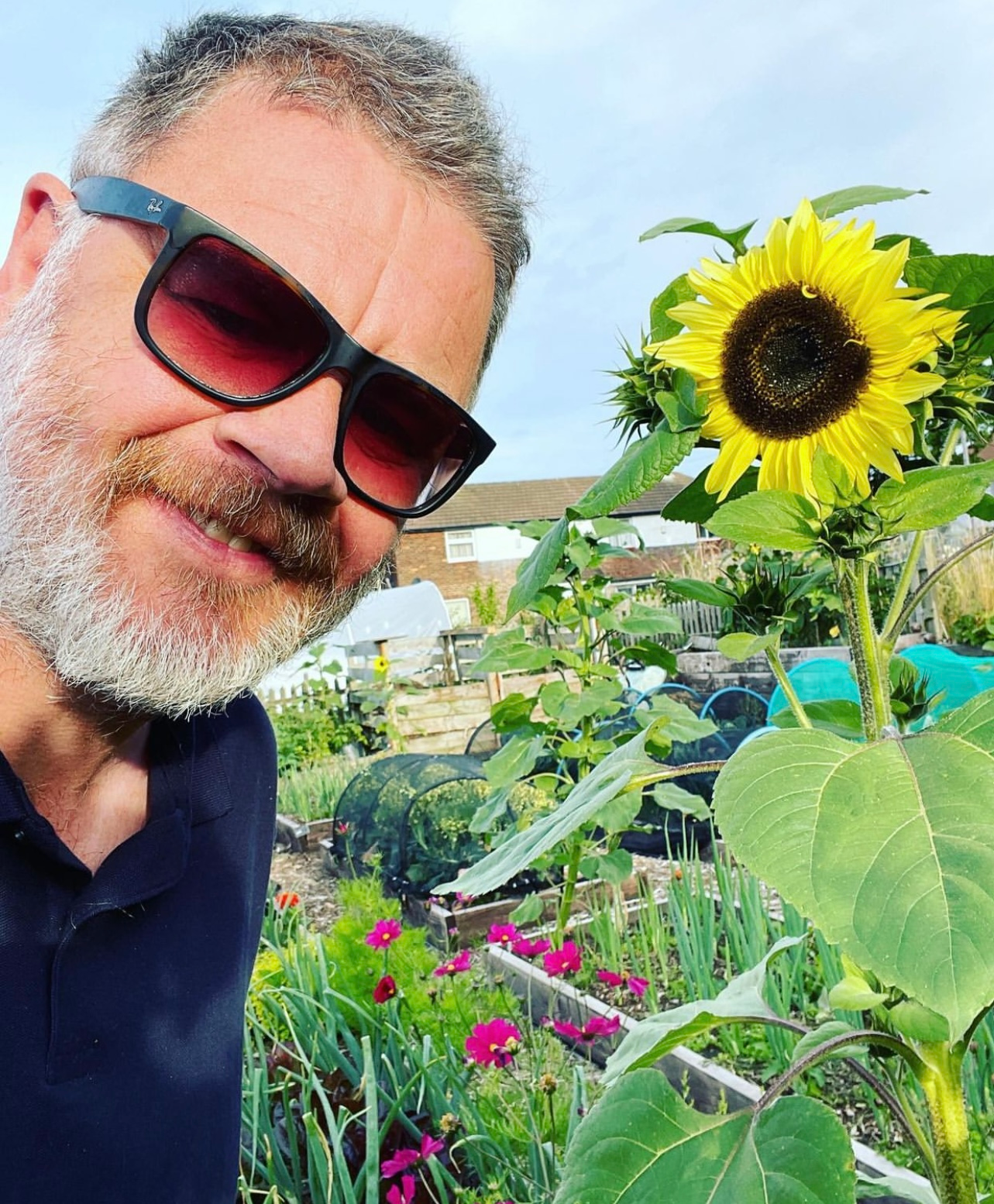
I always give my established sage plants a good hard prune in early spring, takes them right back and stops them getting woody, keeps them producing loads of fresh leaves.
Dates for your plot
Type the first half of your postcode and the plant-out advice shifts to your area's typical frost dates.
Varieties, and whether the club would grow them again
| Variety | Club verdict |
|---|---|
| Common Sage This is your standard, reliable sage, the one everyone thinks of for cooking. It’s a cracking choice for beginners looking for a steady supply of leaves. | No club votes yet |
| Berggarten A very robust and hardy variety that copes well with colder conditions. It's perfect for growing directly in the ground on the allotment. | No club votes yet |
| Purple Sage This one has lovely purple-tinged leaves, making it a bit of a looker as well as tasty. Great for adding colour to your herb garden or a mixed border. | No club votes yet |
| Tricolor With its variegated green, white, and pink leaves, Tricolor is a real showstopper. It grows well outdoors and adds fantastic visual interest to the plot. | No club votes yet |
| Golden Sage The leaves on this variety are a beautiful golden-yellow, brightening up any spot. It’s a good choice if you want something a bit different but still reliable. | No club votes yet |
| Extrakta Known for its strong flavour and high oil content, Extrakta is a proper workhorse. If you're looking for a sage with real punch for cooking, this is the one. | No club votes yet |
| Dwarf Garden This compact variety is absolutely perfect for smaller spaces or growing in pots. It’s ideal if you only have a patio or a windowsill for your herbs. | No club votes yet |
| Nazareth A reliable sage that performs well directly in the garden or on the allotment. It’s a solid choice for consistent harvests throughout the season. | No club votes yet |
| Icterina Sporting lovely variegated green and yellow leaves, Icterina offers a bright splash of colour. It's a great choice for both culinary use and ornamental appeal. | No club votes yet |
| Broadleaf As the name suggests, this variety has broader leaves, making it easy to harvest. It’s a very robust and productive plant for your outdoor plot. | No club votes yet |
| Lavandulifolia Also known as Spanish Sage, it has narrow, grey-green leaves and a slightly different flavour profile. This is a good one if you want to experiment beyond the common varieties. | No club votes yet |
| Artemis A very hardy and reliable sage that thrives when sown directly into the ground. Expect good yields from this sturdy performer throughout the growing season. | No club votes yet |
| Greek Sage This variety offers a more intense aroma and flavour, typical of Mediterranean cooking. It’s a super choice if you like your sage with a bit more oomph. | No club votes yet |
| Albiflora Albiflora produces lovely white flowers and is a vigorous, reliable sage for outdoor growing. It’s a good all-rounder for both leaves and a bit of flower interest. | No club votes yet |
| Holt’s Mammoth This variety lives up to its name with larger leaves and a robust growth habit. If you want plenty of sage and don't mind a bigger plant, this is a cracking option. | No club votes yet |
Votes are members rating varieties in their Seed Tin, one vote per gardener. Tap a variety for the full page and where to buy.
Buy Sage seeds
Partner retailers. If you buy through these links we may earn a small commission. It never costs you more.
Cook the harvest
Whole sage leaves dipped in a light, seasoned batter and fried until crisp and blistered — the kind of snack you make once and immediately start planning to make again. The sage leaves become intensely savoury and faintly perfumed inside a shatteringly thin coating, served alongside a sharp lemon and crème fraîche dip that cuts straight through the richness.
25 min · easyA whole pork tenderloin butterflied open and packed with a punchy stuffing of caramelised onion, garlic, and a serious amount of fresh sage, then rolled and roasted until golden. This is a proper weekend centrepiece that looks impressive and tastes exactly like the best parts of a Sunday roast in every slice.
65 min · mediumA rustic Italian-inspired snack that puts sage front and centre — the leaves are fried in olive oil until crisp and fragrant, then stirred through a creamy white bean mash that's been lifted with roasted garlic and lemon. Piled onto toasted sourdough, it is the kind of thing that disappears before you have finished making it. Ready in under 30 minutes and entirely plant-based.
28 min · easyPillowy, golden butternut squash gnocchi tossed in a classic brown butter and sage sauce — one of the most celebrated flavour combinations in Italian cooking. The squash-enriched gnocchi are naturally sweet and earthy, and the fried sage leaves and nutty brown butter create a sauce of extraordinary simplicity and depth. This is a genuinely stunning dish.
80 min · challengingWatch for, and grow alongside
Companions: marigolds, nasturtium
Questions people ask
When do you sow Sage in the UK?
Sow Sage from April to May. Plant out June, after the last frost.
How long does Sage take from sowing to harvest?
Roughly 90 days, with the harvest June to September.
Which Sage varieties do gardeners grow again?
Club members rate every variety they grow. This page shows the grow-again votes for Common Sage, Berggarten, Purple Sage, Tricolor and more.
Track your Sage from packet to plate
Sowing reminders and harvest forecasts for your own frost dates, the Seed Tin, Scan Centre for any label or packet, and the Potty Mouth Garden Club. Free to start.
Allotment keeper in the North East of England, the voice behind the Tony C Smith YouTube channel, and the gardener who built GrowMore CookMore. Club numbers on this page update as members log their plots. Last updated 3 September 2026.