Crops › Blackberry

How to grow Blackberry
in the US
Sow March to October, plant out November, harvest May to September. About 365 days from seed to plate. You can sow it this month.
Shown for zone 6. Zone table further down.
Blackberries are a proper treat, aren't they? They're surprisingly easy to grow too, and you can get a serious harvest from just a few plants. On my plot, they just keep on giving, though they do need a bit of space, mind.
Sowing
You're usually looking at planting blackberries as bare root canes or potted plants, not often from seed to be honest, as it takes a long time. If you do start from seed, give them a good long chill first, then sow them shallowly, about a quarter-inch deep, in early spring after your last frost, or in late fall depending on your USDA zone. For most folks, this means March or April, but check your local frost dates; my GrowMore CookMore app gives you the proper timing for your specific zone. They need a bit of warmth to get going, around 65-70°F (18-21°C), and will take a full year, maybe more, to give you fruit.
Growing on
Once your young plants are growing well, or if you've bought canes, get them hardened off properly. Wait until all danger of frost has passed in your area before planting them out into the garden. Give them plenty of space, about 3-5 feet (1-1.5 meters) between plants, and make sure they have a good strong support system, like a trellis or wires, because those canes can get long and heavy with fruit, you know what I mean. They're not really for containers, to be honest, they just get too big.
Looking after it
Blackberries like a good drink, especially when they're fruiting, so keep the soil consistently moist. A good layer of mulch around the base will help with that, and keep the weeds down too. They don't need a lot of feeding once established, but a bit of balanced fertilizer in early spring can give them a boost. Pruning is key for good yields, removing old canes after harvest and tying in new ones for the next year.
What goes wrong
Like most things on the plot, blackberries can attract a few unwelcome visitors. Keep an eye out for aphids on the new growth; a squirt of soapy water can often sort them out. Spotted wing drosophila and Japanese beetles can be a nuisance, so checking your plants regularly and picking them off by hand is usually the best approach for a small patch. Cane borers can be a problem, so always prune out any damaged or unhealthy canes.
Harvest
You'll be picking your cracking blackberries from July right through to September, depending on your variety and where you live. They're ready when they're proper black and come away easily from the plant. Pick them gently to avoid bruising. They don't keep for ages, so eat them fresh, freeze them for later, or make some jam. If you must store them, a cool, dry place is best, or pop them in the fridge for a day or two.
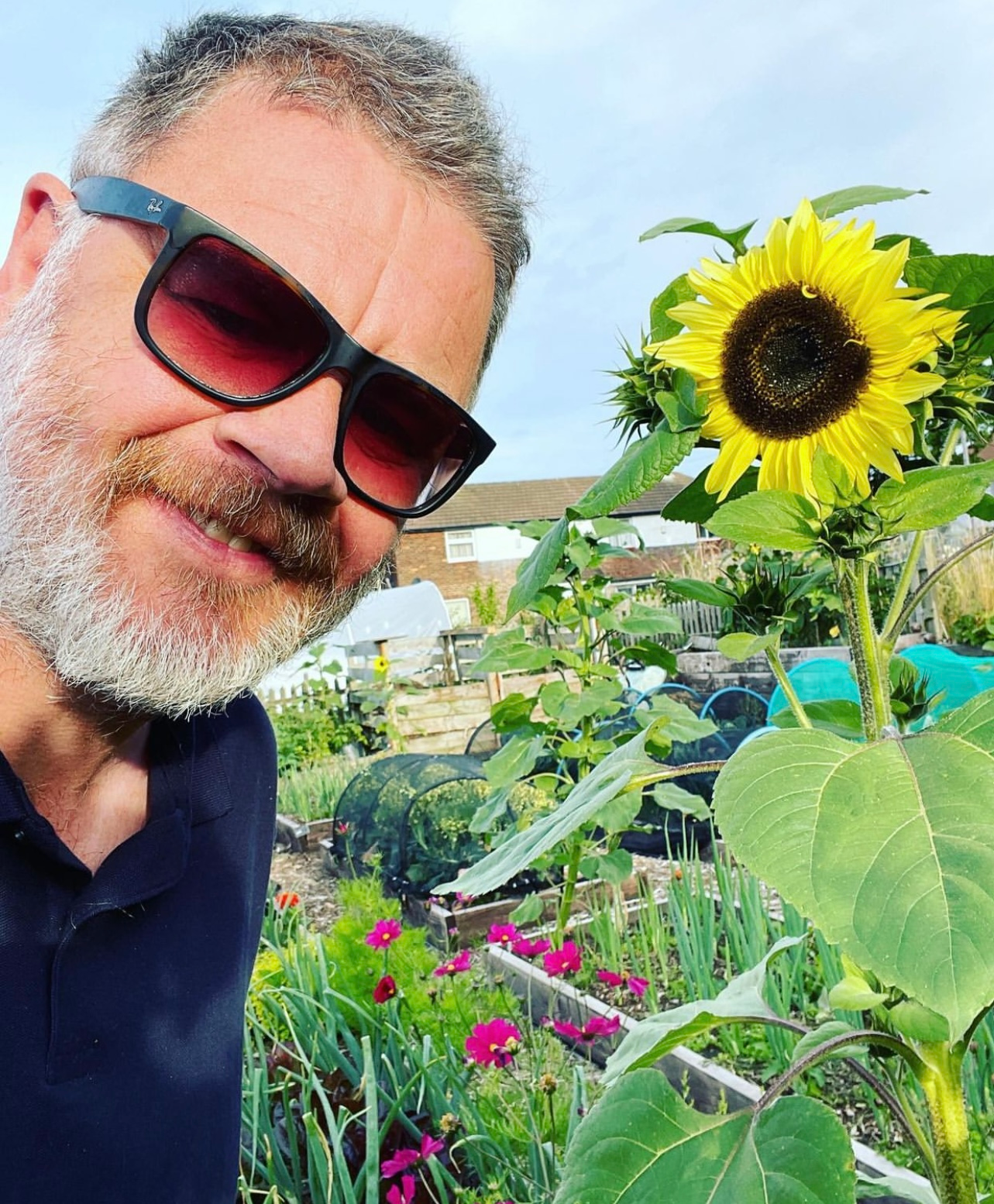
I always put a big old net over my blackberry patch once the fruit starts to ripen, otherwise the birds get more than I do, and that's just not on.
Dates for your plot
Type your zone and the plant-out advice shifts to your frost dates.
Varieties, and whether the club would grow them again
| Variety | Club verdict |
|---|---|
| Triple Crown Triple Crown is a cracking, reliable performer known for its massive yields and big, sweet fruit. It's a great choice if you're looking for a proper glut to eat fresh or freeze. | No club votes yet |
| Chester Chester is another reliable performer, thornless and known for its firm, sweet berries. It's a good one for the home gardener wanting an easy harvest without the prickles. | No club votes yet |
| Arapaho Arapaho is an early-ripening, thornless variety and a very reliable performer for many backyards. If you're keen to get your first harvest a bit sooner, this could be the one for you. | No club votes yet |
| Apache Apache is a reliable performer, thornless, and known for its very large, firm fruit with a good, sweet taste. It's a great choice for those who want substantial berries that hold up well. | No club votes yet |
| Navaho Navaho is a compact, thornless blackberry and a reliable performer, ideal for smaller spaces or a large container. It gives you good quality, sweet berries without taking over your plot. | No club votes yet |
| Ouachita Ouachita is a very reliable performer, thornless, and produces excellent quality, large, firm fruit. It's a good all-rounder for consistent harvests and easy picking. | No club votes yet |
| Prime-Ark Freedom Prime-Ark Freedom is a cracking, thornless primocane-fruiting blackberry and a reliable performer, meaning it can fruit on first-year canes. This is a brilliant choice for an earlier and longer harvest season. | No club votes yet |
| Prime-Ark Traveler Prime-Ark Traveler is a reliable performer and another thornless, primocane-fruiting variety, great for extended harvests. It offers good disease resistance too, which is always a bonus on the plot. | No club votes yet |
| Marion Marion, often called 'Marionberry,' is a reliable performer, famous for its intense, complex flavor and juicy berries. If taste is your top priority for pies and jams, this one's a proper winner. | No club votes yet |
| Kotata Kotata is a reliable performer known for its rich, intense flavor, making it a favorite for processing into jams and desserts. It produces firm, glossy black berries that are just packed with taste. | No club votes yet |
| Black Satin Black Satin is a reliable performer and a thornless variety, giving you good yields of large, firm, sweet berries. It's a popular choice for its vigorous growth and ease of harvest. | No club votes yet |
| Thornless Evergreen Thornless Evergreen is a proper reliable performer, known for its vigorous growth and very high yields of medium-sized, firm, sweet berries. It's a great option if you want lots of fruit and don't mind a later season. | No club votes yet |
| Natchez Natchez is a reliable performer, thornless, and one of the earliest to ripen, providing large, sweet fruit. If you're after those first summer blackberries quickly, this is a cracking choice. | No club votes yet |
| Kiowa Kiowa is a reliable performer, known for producing exceptionally large, firm fruit with a good flavor. If you're looking for truly enormous blackberries, this one will certainly impress. | No club votes yet |
| Loch Ness Loch Ness is a reliable performer, a thornless variety that gives you a good crop of firm, shiny black berries. It's a sturdy plant that's quite easy to manage and produces well. | No club votes yet |
Votes are members rating varieties in their Seed Tin, one vote per gardener. Tap a variety for the full page and where to buy.
Buy Blackberry seeds
Partner retailers. If you buy through these links we may earn a small commission. It never costs you more.
Sowing by USDA zone
| Zone | Sow / plant | Harvest |
|---|---|---|
| Zone 3 | April to May | July to August |
| Zone 4 | April to September | June to August |
| Zone 5 | March to September | June to September |
| Zone 6 | March to October | May to September |
| Zone 7 | March to October | May to September |
| Zone 8 | February to November | May to October |
| Zone 9 | February to November | April to October |
| Zone 10 | September to March | April to November |
Cook the harvest
A classic blackberry jam — deep purple, intensely fruity, and perfectly spreadable — made with just three ingredients and no added pectin. Fresh blackberries cook down with sugar and lemon juice into a soft-set preserve that captures the essence of a summer hedgerow. The recipe makes a small batch that's quick enough to fit into any afternoon.
50 min · mediumA lush, deeply purple blackberry ice cream made with a cooked custard base and a generous amount of fresh berry purée — intensely fruity, incredibly creamy, and a world away from anything store-bought. The slight tartness of the blackberries cuts through the richness of the cream, creating a perfectly balanced frozen dessert that's worth every step.
40 min · mediumA rustic free-form tart filled with juicy blackberries and sliced peaches, baked in a buttery, flaky pastry shell that's folded up and over the edges. The galette is the most forgiving of all tarts — its rough, imperfect edges are exactly the point. Fragrant with vanilla and a touch of cinnamon, it's summer baking at its most beautiful and achievable.
70 min · mediumA glossy, sweet-tart blackberry reduction pan sauce that clings to sliced duck breast and cuts through its richness with beautiful fruit acidity. A classic combination in French cooking, this sauce takes 15 minutes and transforms duck breast into a restaurant-worthy dish. The blackberries break down into a luxurious, deeply colored sauce with complex fruitiness.
40 min · mediumWatch for, and grow alongside
Companions: tansy, mint, chives
Questions people ask
When do you sow Blackberry in the US?
Sow Blackberry from March to October in zone 6, earlier or later by zone. Plant out November, after the last frost.
How long does Blackberry take from sowing to harvest?
Roughly 365 days, with the harvest May to September.
Which Blackberry varieties do gardeners grow again?
Club members rate every variety they grow. This page shows the grow-again votes for Triple Crown, Chester, Arapaho, Apache and more.
Track your Blackberry from packet to plate
Sowing reminders and harvest forecasts for your own frost dates, the Seed Tin, Scan Centre for any label or packet, and the Potty Mouth Garden Club. Free to start.
Allotment keeper in the North East of England, the voice behind the Tony C Smith YouTube channel, and the gardener who built GrowMore CookMore. Club numbers on this page update as members log their plots. Last updated 3 September 2026.