
Crops › Butternut Squash (Pumpkin)
How to grow Butternut Squash (Pumpkin)
in the US
Sow April to May, plant out June to August, harvest September to October. About 90 days from seed to plate.
Shown for zone 6. Zone table further down.
Butternut squash, a proper versatile vegetable, isn't it? I'm always chuffed with the harvest from my plot, they just keep on giving. They need a bit of space, mind, but the sweet, nutty flesh is worth every bit of effort.
Sowing
Right, getting these started. You can sow butternut squash indoors about 2 to 4 weeks before your last frost date, especially if you're in a cooler zone like USDA 5 (sow May) or 6 (sow April-May). Pop seeds about an inch deep in individual pots. Make sure the soil is warm, mind. For zones 7 and 8 (sow April-May, March-April respectively) or warmer zones like USDA 9 (sow March-April), you can direct sow them straight into the ground once the soil has warmed up proper after all danger of frost has passed. They really don't like cold feet.
Growing on
Once your indoor-sown plants have put on a couple of true leaves, they'll need hardening off. That means gradually getting them used to the outdoors over a week or two, you know, before planting them out. Wait until well after your last frost. Give each plant plenty of room, like 3 to 4 feet apart, as they do sprawl. You can let them ramble over the ground or try to train them up a sturdy trellis if you're short on space.
Looking after it
Butternut squash are hungry and thirsty plants, to be honest. They'll need rich soil, so dig in plenty of compost before planting. Full sun is a must, no two ways about it. Water them deeply and consistently, especially when the fruits are setting and growing. Keep an eye on them during dry spells; they don't like to dry out.
What goes wrong
You'll need to watch out for a few critters. Squash bugs and vine borers can be a real pain, so check your plants regularly, especially under the leaves. Aphids might show up too, a good blast of water can often sort them. Cucumber beetles are another one to keep an eye on. Early detection is key, like I always say.
Harvest
Your butternut squash should be ready for picking about 90 days after sowing, usually from August right through to November. You'll know they're ready when the skin is hard and a proper deep, even color, and the stem has started to dry. Cut them from the vine, leaving a few inches of stem attached. Then, cure them in a warm, sunny spot for 7 to 14 days before storing them somewhere cool and dry.
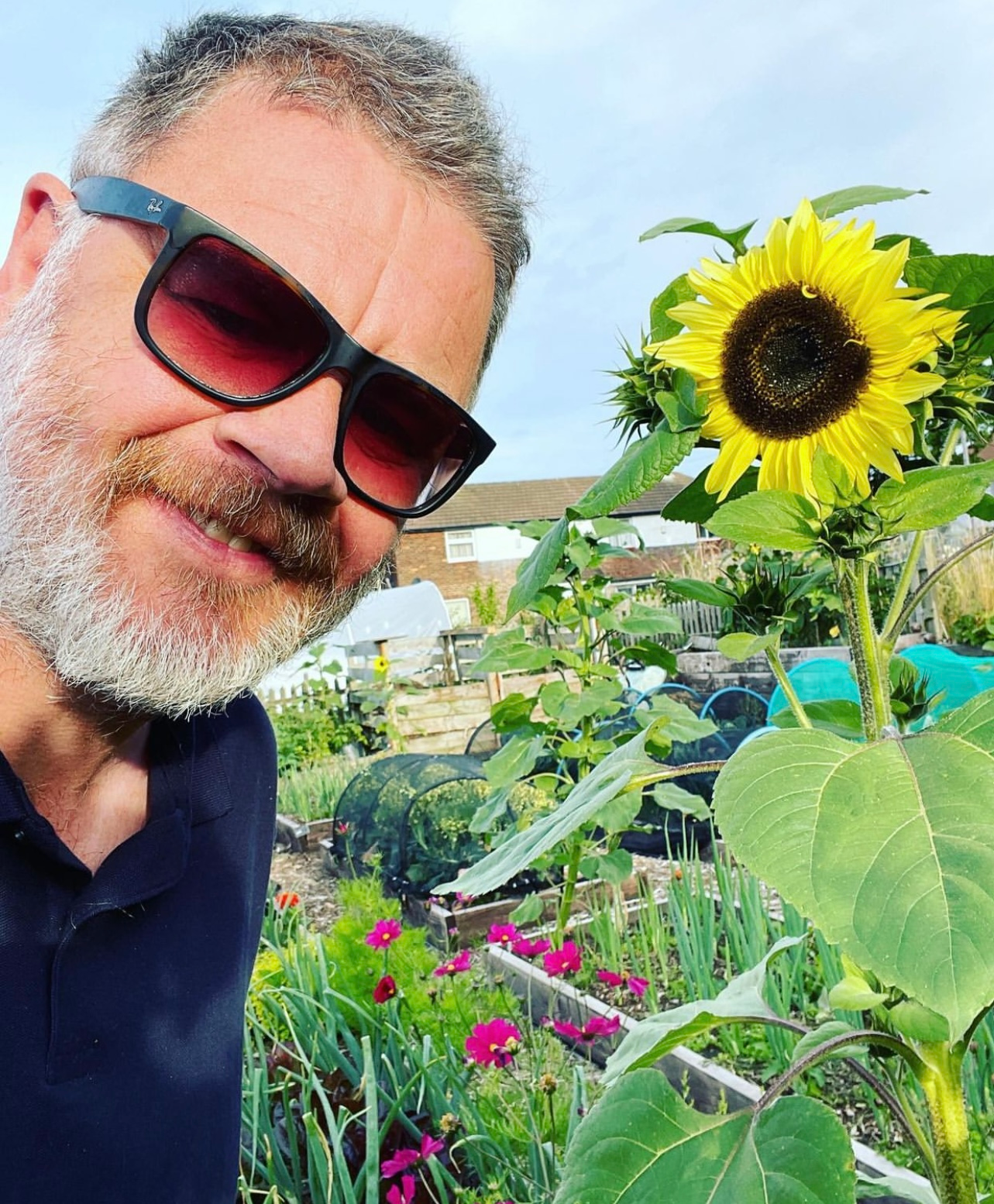
My best tip is to plant nasturtiums nearby; they're cracking companion plants and seem to draw the aphids away from the squash, giving them something else to munch on.
Dates for your plot
Type your zone and the plant-out advice shifts to your frost dates.
Varieties, and whether the club would grow them again
| Variety | Club verdict |
|---|---|
| Waltham Butternut A classic, dependable winter squash. It's a proper workhorse that gives good yields and stores well through the winter. | No club votes yet |
| Honeynut This one's a smaller, sweeter version of the classic butternut. Perfect for single servings and known for its exceptional flavor. | No club votes yet |
| Butterscotch A compact plant that still produces plenty of medium-sized fruit. It's great if you want that butternut taste without the huge vines. | No club votes yet |
| Autumn Glow A vigorous outdoor type that produces lovely orange-fleshed squash. It's a good choice for those wanting a reliable crop that stores well. | No club votes yet |
| Nutterbutter This variety offers a good balance of size and flavor. It's a solid performer for consistent harvests. | No club votes yet |
| Tahitian Melon A unique, large butternut-type squash with a really sweet taste. If you've got space, this one's a cracking choice for something a bit different. | No club votes yet |
| Burpee’s Butterbush A bush type, so it doesn't sprawl as much as others. It's ideal for smaller gardens or even growing in large containers. | No club votes yet |
| Violina Rugosa An Italian heirloom with a distinct ribbed look and excellent flavor. It's a bit special and really comes into its own when roasted. | No club votes yet |
| Ponca Known for its uniform, medium-sized fruits and good disease resistance. This one's a reliable choice for a steady supply of quality squash. | No club votes yet |
| Barbara Butternut A productive variety that gives a good crop of classic butternut shapes. It's a really sturdy plant, great for growing outdoors. | No club votes yet |
| Butternut Supreme As the name suggests, this one delivers top-notch quality and flavor. It's a good choice if you're looking for that extra bit of sweetness. | No club votes yet |
| Butternut 898 A vigorous plant that offers a generous harvest of traditional butternut squash. It's a dependable performer for good yields. | No club votes yet |
| Long Island Cheese (similar type) While not a true butternut, it's a similar winter squash with a lovely, sweet flesh. It's a cracking heirloom that stores exceptionally well. | No club votes yet |
| Nekota A smaller, early maturing butternut type, perfect for quick harvests. It's a good one if you want to get your squash crop in a bit sooner. | No club votes yet |
| Rugosa Butternut This one has a slightly bumpy skin but don't let that fool you, the flavor is superb. It's a distinctive and tasty winter squash. | No club votes yet |
Votes are members rating varieties in their Seed Tin, one vote per gardener. Tap a variety for the full page and where to buy.
Buy Butternut Squash (Pumpkin) seeds
Partner retailers. If you buy through these links we may earn a small commission. It never costs you more.
Sowing by USDA zone
| Zone | Sow / plant | Harvest |
|---|---|---|
| Zone 3 | April to June | August to November |
| Zone 4 | April to June | August to November |
| Zone 5 | May | September to October |
| Zone 6 | April to May | September to October |
| Zone 7 | April to May | August to October |
| Zone 8 | March to April | August to November |
| Zone 9 | March to April | August to November |
| Zone 10 | April to June | August to November |
Cook the harvest
Thinly sliced butternut squash is layered with a savory cream sauce, Gruyère, and fresh thyme in this elegant gratin that makes a stunning centerpiece side dish for Thanksgiving or any autumn dinner. Each layer soaks up the cream as it bakes, creating a rich, cohesive dish with a golden, bubbling crust.
75 min · mediumSweet butternut squash absorbs red curry paste and coconut milk beautifully in this warming Thai-inspired curry. Tender cubes of squash balance the heat of the curry paste while chickpeas add protein and body. Serve over jasmine rice for a satisfying weeknight dinner.
45 min · easyButternut squash roasted until caramelized and tender is finished with a nutty brown butter infused with crispy sage leaves for a side dish that embodies autumn. The browned milk solids in the butter add a deep, almost nutty richness that plays beautifully against the sweet squash.
45 min · easyCreamy arborio rice meets sweet roasted butternut squash in this Italian-American classic. Crispy fried sage leaves add an earthy, almost nutty note that pairs perfectly with the squash. This is weekend cooking worth the stirring.
60 min · mediumWatch for, and grow alongside
Companions: Corn, Beans, Nasturtiums, Marigolds
Questions people ask
When do you sow Butternut Squash (Pumpkin) in the US?
Sow Butternut Squash (Pumpkin) from April to May in zone 6, earlier or later by zone. Plant out June to August, after the last frost.
How long does Butternut Squash (Pumpkin) take from sowing to harvest?
Roughly 90 days, with the harvest September to October.
Which Butternut Squash (Pumpkin) varieties do gardeners grow again?
Club members rate every variety they grow. This page shows the grow-again votes for Waltham Butternut, Honeynut, Butterscotch, Autumn Glow and more.
Track your Butternut Squash (Pumpkin) from packet to plate
Sowing reminders and harvest forecasts for your own frost dates, the Seed Tin, Scan Centre for any label or packet, and the Potty Mouth Garden Club. Free to start.
Allotment keeper in the North East of England, the voice behind the Tony C Smith YouTube channel, and the gardener who built GrowMore CookMore. Club numbers on this page update as members log their plots. Last updated 3 September 2026.