Crops › Dill
How to grow Dill
in the US
Sow April to June, plant out July, harvest June to August. About 45 days from seed to plate.
Shown for zone 6. Zone table further down.
Dill is a cracking herb, easy to get going and proper useful in the kitchen, you know. It brings that lovely fresh, slightly aniseed flavor to so many dishes, and it looks rather elegant in the garden too with its feathery leaves.
Sowing
Dill likes to be sown directly where it's going to grow, it really doesn't like having its roots disturbed, to be honest. Wait until all danger of frost has passed and the soil has warmed up a bit, usually from late spring onwards for many folks, though check your USDA zone for precise timing. Sow seeds about a quarter-inch deep (0.5 cm), spaced maybe 6 inches (15 cm) apart, or you can sow a bit closer and thin them out later. For a steady supply of those fresh leaves, sow a small batch every two or three weeks until late summer.
Growing on
Once your dill seedlings are up and growing, thin them out to give each plant enough room to develop properly, about 9-12 inches (23-30 cm) apart. If you're growing taller varieties, they might appreciate a bit of support, a small cane or stake can do the trick, especially if your plot gets a bit windy. It does well in pots too, mind, as long as it's a decent-sized container with good drainage, you know what I mean.
Looking after it
Dill likes a consistent bit of moisture, so keep it watered, especially during dry spells, but don't let it get waterlogged. It's not a heavy feeder, so a good rich soil at planting is usually enough, maybe a sprinkle of general-purpose feed if it looks a bit hungry. Mulch can help keep the weeds down and hold moisture in too, like I say.
What goes wrong
You might find aphids having a go at the young plants, so keep an eye out and just brush 'em off or give them a good spray with water if they appear. Slugs can be a bit of a nuisance too, especially when the seedlings are small; a bit of slug control around your plants can help keep them away. To be honest, it's a pretty robust plant usually.
Harvest
You can start picking dill leaves about 45 days after sowing, just snip off the outer leaves as you need them. This encourages more growth and keeps the plant producing for longer. For a proper glut, you can dry the leaves or freeze them in ice cube trays with a bit of water, which works a treat for winter cooking. Keep fresh sprigs in the fridge wrapped in a damp paper towel.
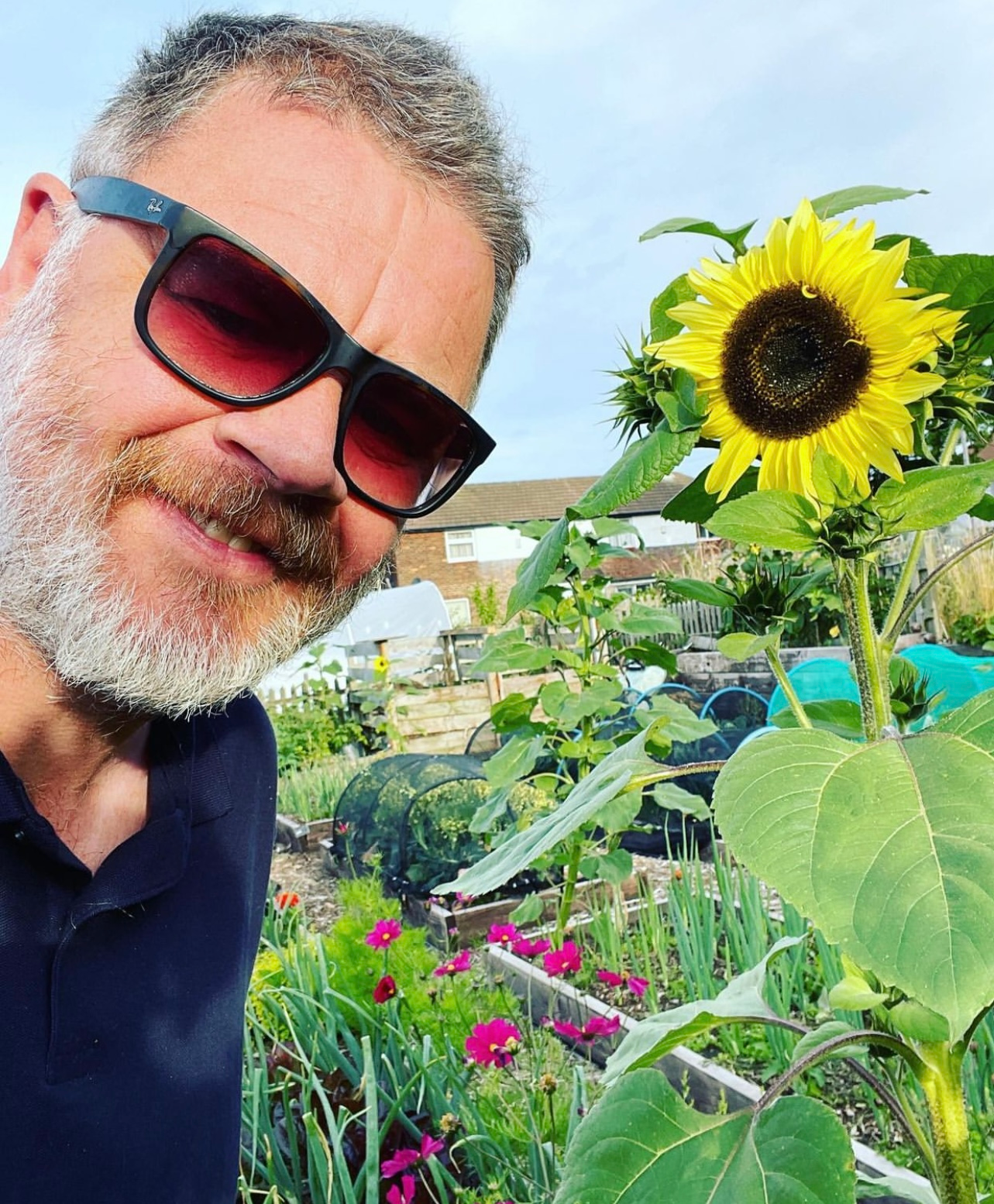
On my plot, I always try to plant a few nasturtiums nearby; they're great at luring aphids away from my dill, and the flowers are lovely in a salad too.
Dates for your plot
Type your zone and the plant-out advice shifts to your frost dates.
Varieties, and whether the club would grow them again
| Variety | Club verdict |
|---|---|
| Bouquet Bouquet Dill is a popular, reliable choice, known for its good leaf production and abundant seed heads. It's a cracking variety for cutting fresh leaves often and for those who like to collect their own seeds. | No club votes yet |
| Mammoth Mammoth Dill grows quite tall and bushy, making it a proper workhorse for the kitchen. This variety is brilliant for gardeners wanting a substantial harvest and who prefer to start their seeds a little earlier indoors. | No club votes yet |
| Fernleaf Fernleaf Dill is a compact variety, perfect for smaller spaces and containers while still giving a good harvest. Its fine, delicate foliage makes it a lovely choice for those with limited room or for growing on a patio. | No club votes yet |
| Dukat Dukat Dill is a fast-growing variety that produces plenty of leaves before it decides to flower. It's an excellent option if you're keen on getting an early and continuous supply of fresh dill for your cooking. | No club votes yet |
| Hera Hera Dill is known for its strong growth and resistance to bolting, meaning more leaves for longer. This is a great pick for gardeners wanting a robust plant that keeps on giving through the season. | No club votes yet |
| Tetra Tetra Dill is a sturdy, upright variety that offers good yields of fragrant leaves. It's well-suited for gardeners who like to get a head start by sowing indoors and want a reliable harvest. | No club votes yet |
| Greensleeves Greensleeves Dill is a very productive variety, praised for its dense foliage and good flavor. It's a solid choice for anyone looking for a hearty supply of dill straight from the garden. | No club votes yet |
| Ambrosia Ambrosia Dill is a vigorous grower, providing a good amount of aromatic leaves for all your culinary needs. If you're starting seeds indoors and want a plant that will really take off, this one's a winner. | No club votes yet |
| Ella Ella Dill is a compact and quick-growing variety, ideal for smaller plots or container growing. This is perfect for beginners or those with limited space who still want a steady supply of fresh dill. | No club votes yet |
| Superdukat Superdukat Dill is a fantastic variety, bred for even higher leaf production and a cracking flavor. It's the one to go for if you're serious about your dill harvest and want to get a jump on the season indoors. | No club votes yet |
| Herkules Herkules Dill is a strong, upright variety, providing a good amount of leaves and showing good resistance to bolting. It's a reliable choice for gardeners who want a sturdy plant that won't give up too easily in the summer heat. | No club votes yet |
| Vierling Vierling Dill is a productive and aromatic variety, well-regarded for its consistent performance. If you're starting your dill plants indoors and want a dependable crop, this one will serve you well. | No club votes yet |
| Elephant Elephant Dill is a robust and leafy variety, giving you plenty of those lovely feathery greens. It's a cracking option for anyone wanting a vigorous plant that provides a generous harvest throughout the season. | No club votes yet |
| Long Island Mammoth Long Island Mammoth Dill is a classic, tall variety known for its abundant foliage and seed production. This is ideal for gardeners who like to harvest both leaves and seeds, and can start their plants indoors for a head start. | No club votes yet |
| Teddy Teddy Dill is a compact, bushy variety, making it a great fit for smaller gardens or containers. It's a chuffed choice for folks who need a steady supply of fresh dill without taking up too much room. | No club votes yet |
Votes are members rating varieties in their Seed Tin, one vote per gardener. Tap a variety for the full page and where to buy.
Buy Dill seeds
Partner retailers. If you buy through these links we may earn a small commission. It never costs you more.
Sowing by USDA zone
| Zone | Sow / plant | Harvest |
|---|---|---|
| Zone 3 | May to June | July to August |
| Zone 4 | May to June | July to August |
| Zone 5 | April to June | June to August |
| Zone 6 | April to June | June to August |
| Zone 7 | March to June | May to August |
| Zone 8 | March to June | May to August |
| Zone 9 | February to October | April to December |
| Zone 10 | January to November | March to December |
Cook the harvest
A fast weeknight pasta that comes together in the time it takes to boil the water — silky smoked salmon stirred through a cream and dill sauce that coats every strand of linguine. The dill is not incidental here; it's the herb that makes this dish distinctly Scandinavian-American and is added in such abundance that its flavor runs through every forkful. Elegant enough for guests, easy enough for a Tuesday.
25 min · easySalt-and-sugar cured salmon blanketed in a thick layer of fresh dill, pressed and refrigerated for two days until the flesh transforms into something silky, translucent, and profoundly flavored. Dill is not a garnish in gravlax — it is the cure, the coating, and the essential flavor that defines this classic Scandinavian preparation. Serve thinly sliced with mustard-dill sauce and dark bread for a magnificent make-ahead centerpiece.
20 min · mediumFresh dill blended into softened butter with lemon zest, a little garlic, and flaky salt creates a compound butter that transforms everything it touches — grilled salmon, roasted vegetables, baked potatoes, steamed clams, or simply melted over warm bread. The dill is the unambiguous star, present in every bite. Make it in bulk during dill season and freeze it in a log for use all year round.
10 min · easyA Greek-inspired baked frittata where fresh dill is stirred through the egg base in such generous quantity that every slice is intensely herbal and fragrant. Crumbled feta melts into salty, creamy pockets that complement the bright, anise-forward dill beautifully. This frittata is equally good served warm from the oven, at room temperature for a picnic, or cold the next morning.
30 min · easyWatch for, and grow alongside
Companions: marigolds, nasturtium
Questions people ask
When do you sow Dill in the US?
Sow Dill from April to June in zone 6, earlier or later by zone. Plant out July, after the last frost.
How long does Dill take from sowing to harvest?
Roughly 45 days, with the harvest June to August.
Which Dill varieties do gardeners grow again?
Club members rate every variety they grow. This page shows the grow-again votes for Bouquet, Mammoth, Fernleaf, Dukat and more.
Track your Dill from packet to plate
Sowing reminders and harvest forecasts for your own frost dates, the Seed Tin, Scan Centre for any label or packet, and the Potty Mouth Garden Club. Free to start.
Allotment keeper in the North East of England, the voice behind the Tony C Smith YouTube channel, and the gardener who built GrowMore CookMore. Club numbers on this page update as members log their plots. Last updated 3 September 2026.