
Crops › Gooseberry
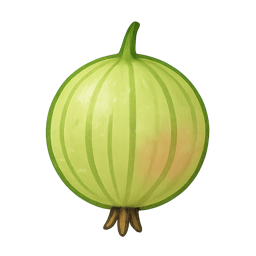
How to grow Gooseberry
in the US
Sow March to October, plant out November, harvest May to September. About 365 days from seed to plate. You can sow it this month.
Shown for zone 6. Zone table further down.
Gooseberries are a cracking fruit, proper rewarding. They're not too much bother, to be honest, and they give you a good harvest year after year. Great for pies or just eating fresh from the bush if you're quick enough.
Sowing
Gooseberries are usually grown from cuttings or bought as bare-root plants, not really sown from seed much, like I say. If you're going for cuttings, pop 'em in around 6 inches (15 cm) deep in good soil. Timing is key, mind. For zones 3-7, April through May works well. In warmer zones like 8-10, you can start as early as January or February, or pick it up again from September right through to December. Just make sure the ground isn't frozen solid. Space them about 3 to 5 feet (0.9-1.5 meters) apart to give them room to spread out. They're not like your annuals, these are for the long haul.
Growing on
Once your young gooseberry plants are growing well, pick a spot in full sun or light shade. They like well-drained soil, you know. When planting out, give them plenty of space, about 3 to 5 feet (0.9-1.5 meters) between each one, and the same between rows if you've got a few. They'll grow into decent-sized bushes over time. You don't often see them in containers, but a very large pot might do for a dwarf variety, if you're really pushed for space.
Looking after it
Keep the soil moist, especially when the fruit is swelling. A good layer of mulch around the base helps loads with that, and keeps the weeds down too. Feed them once a year in early spring with some balanced fertilizer or well-rotted compost. Pruning is important to keep them fruitful and open for good airflow; I usually do mine in late winter.
What goes wrong
Slugs can be a nuisance when the plants are young, so keep an eye out for them. Aphids can also cause bother, especially on new growth. A good blast of water can dislodge them, or some insecticidal soap if it's a proper infestation. Mildew can be an issue in damp conditions, so good air circulation is your best bet.
Harvest
Gooseberries are usually ready for picking from June to July, about a year after they've been put in. You can pick them when they're still firm and a bit tart for cooking, or let them ripen fully on the bush for a sweeter treat. Be careful of the thorns, mind! They store well in a cool, dry place, and you can always freeze any excess for later use in pies or crumbles.

I always plant a bit of white clover around the base of my gooseberry bushes; it suppresses weeds and helps keep the soil healthy without too much fuss.
Dates for your plot
Type your zone and the plant-out advice shifts to your frost dates.
Varieties, and whether the club would grow them again
| Variety | Club verdict |
|---|---|
| Hinnomaki Red Hinnomaki Red is a cracking red gooseberry, known for its sweet flavor and good yields. It's a proper reliable bush that's great for eating fresh or making into delicious preserves. | No club votes yet |
| Invicta Invicta is a widely grown green variety, very hardy and resistant to mildew, which is a big plus. If you're after big crops of cooking gooseberries, this one's a winner. | No club votes yet |
| Pixwell Pixwell is a popular American variety, known for its productive bushes and relatively thornless branches, making picking a bit easier. This one's a good choice for beginners or anyone who doesn't fancy too many scratches. | No club votes yet |
| Captivator Captivator offers a good red fruit with fewer thorns than some, which is always a bonus when you're harvesting. It’s a good, solid choice for a garden bush, reliable for a decent crop. | No club votes yet |
| Careless Careless is a traditional English variety, known for its large, pale green fruits that are perfect for cooking. If you're wanting to make plenty of pies or crumbles, this old favorite will certainly deliver. | No club votes yet |
| Tixia Tixia is a red-fruited variety that boasts a good sweet flavor and is pretty disease resistant too. It's a sturdy bush, ideal for general garden use where you want a dependable harvest. | No club votes yet |
| Poorman Poorman is a reliable red gooseberry that produces plenty of sweet, high-quality fruit, great for eating fresh. It’s a very hardy plant, making it a good choice for colder zones. | No club votes yet |
| Leveller Leveller is a really old, proper classic gooseberry, famed for its very large, sweet, yellow-green fruits. If you're looking for a show-stopping dessert gooseberry with incredible flavor, this is the one. | No club votes yet |
| Black Velvet Black Velvet stands out with its unusual dark red to black fruits and excellent flavor. It's a bit different from your usual gooseberry, offering a rich taste that's great for fresh eating or jams. | No club votes yet |
| Whinham's Industry Whinham's Industry is a robust and hardy traditional red variety, known for its good yields even in tougher conditions. This one’s a proper workhorse for the plot, reliable year after year. | No club votes yet |
| Achilles Achilles is another good red gooseberry, offering a solid performance with decent sized fruits. It’s a dependable choice for a home garden, giving you a steady supply for cooking and preserves. | No club votes yet |
| Keepsake Keepsake is a late-season gooseberry with good storage qualities, meaning you can enjoy its sweet fruits for longer. If you like to extend your harvest and keep some fruit for later, this one's worth a look. | No club votes yet |
| Pixwell Improved Pixwell Improved builds on the original with even better disease resistance and reliable crops of medium-sized fruit. It's a cracking upgrade for anyone wanting an easy-to-manage, thornless-ish bush. | No club votes yet |
| Xenia Xenia is a modern red variety, noted for its good flavor and vigorous growth, making it a strong performer. It’s a great choice if you want a healthy, productive bush that delivers tasty fruits. | No club votes yet |
| Red George Red George is a newer red gooseberry, prized for its excellent flavor and good disease resistance. This one's a proper all-rounder, ideal for both fresh eating and using in the kitchen. | No club votes yet |
Votes are members rating varieties in their Seed Tin, one vote per gardener. Tap a variety for the full page and where to buy.
Buy Gooseberry seeds
Partner retailers. If you buy through these links we may earn a small commission. It never costs you more.
Sowing by USDA zone
| Zone | Sow / plant | Harvest |
|---|---|---|
| Zone 3 | April to May | July to August |
| Zone 4 | April to September | June to August |
| Zone 5 | March to September | June to September |
| Zone 6 | March to October | May to September |
| Zone 7 | March to October | May to September |
| Zone 8 | February to November | May to October |
| Zone 9 | February to November | April to October |
| Zone 10 | September to March | April to November |
Cook the harvest
A fragrant, perfumed jam that combines the sharp tang of gooseberries with the floral delicacy of elderflower cordial — a partnership so natural it seems like these two were born to be together. Gooseberries are naturally high in pectin and set beautifully without commercial pectin added. The result is a pale green-gold jam with a complex, flowery aroma and a lively, bright flavor.
45 min · mediumOven-roasted plums become deeply caramelized and jammy, creating a warm, luxurious sauce that is the perfect contrast to cold, creamy vanilla ice cream. This is one of those deceptively simple desserts that feels profoundly indulgent. The roasting takes just 20 minutes and the plums release their juices into a gorgeous, spoonable syrup.
25 min · easyA classic British-inspired dessert made with sweetened stewed gooseberries folded through billowy whipped cream — tart, fluffy, and completely irresistible. The sharp, jammy fruit cuts beautifully through the rich cream to create something that's refreshing and indulgent at the same time. It requires no baking, comes together in under thirty minutes, and is one of the finest uses for gooseberries in existence.
25 min · easyA classic gooseberry crumble with a thick layer of buttery, oat-studded topping over a tart, jammy gooseberry base — comforting, fragrant, and exactly what a summer evening calls for. The sharp acidity of gooseberries softens beautifully under a generous layer of golden crumble, and the contrast in textures is what makes this dessert so satisfying. Serve warm with vanilla ice cream or poured-over cream.
55 min · easyWatch for, and grow alongside
Companions: thyme, chives, tansy, white clover, borage
Questions people ask
When do you sow Gooseberry in the US?
Sow Gooseberry from March to October in zone 6, earlier or later by zone. Plant out November, after the last frost.
How long does Gooseberry take from sowing to harvest?
Roughly 365 days, with the harvest May to September.
Which Gooseberry varieties do gardeners grow again?
Club members rate every variety they grow. This page shows the grow-again votes for Hinnomaki Red, Invicta, Pixwell, Captivator and more.
Track your Gooseberry from packet to plate
Sowing reminders and harvest forecasts for your own frost dates, the Seed Tin, Scan Centre for any label or packet, and the Potty Mouth Garden Club. Free to start.
Allotment keeper in the North East of England, the voice behind the Tony C Smith YouTube channel, and the gardener who built GrowMore CookMore. Club numbers on this page update as members log their plots. Last updated 3 September 2026.