
Crops › Hubbard Squash (Pumpkin)
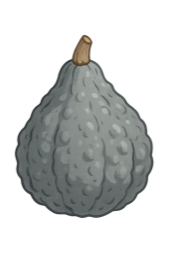
How to grow Hubbard Squash (Pumpkin)
in the US
Sow April to May, plant out June to August, harvest September to October. About 90 days from seed to plate.
Shown for zone 6. Zone table further down.
Hubbard squash, now these are proper beauties for your kitchen, aren't they? Part of the cucurbit family, they'll give you a cracking harvest for winter meals. You just need to give them a bit of space on the plot, and they'll reward you with big, tasty fruit.
Sowing
Getting your Hubbard squash started is pretty straightforward, you know. You can sow indoors a few weeks before your last frost, maybe 2 to 4 weeks, to get a head start. Or, if your soil's warmed up nicely, you can sow direct into the ground. I usually pop them about an inch deep. For folks in USDA zone 5, aim for May, while zones 6 and 7 can start April or May. Further south in zones 8 and 9, you can get them in earlier, March or April. Just remember to give those seeds a warm spot to get going, they like it cozy.
Growing on
Once your little plants are up and showing their true leaves, if you started them indoors, give 'em a bit of a pricking out into individual pots. Harden them off slowly for a week or two outside, getting them used to the fresh air before planting them out. Wait until all danger of frost is well and truly past, mind. These plants get big, proper big, so give them at least 3 to 6 feet between each plant. They're not keen on being squashed, you know what I mean?
Looking after it
Hubbard squash are thirsty plants, especially when they're putting on all that growth and setting fruit. So, water deeply and consistently, particularly if it's dry out. I find a good mulch helps keep the moisture in and the weeds down, saves a job later on. They're hungry too, so make sure they're in rich soil, and a bit of feed now and then won't go amiss. Keep an eye on those sprawling vines, sometimes a bit of pinching back helps focus the plant's energy on fruit.
What goes wrong
Now, these big plants can attract a few unwelcome visitors, can't they? Squash bugs, vine borers, and cucumber beetles are the usual suspects. Aphids can pop up too, like on most things. Regularly checking your plants, especially under the leaves, is the best way to catch them early. If you see 'em, pick 'em off by hand, or give 'em a good spray with some soapy water. Good plant hygiene helps keep things tidy and reduces hiding spots.
Harvest
You'll be harvesting your Hubbard squash from about August right through to November, depending on when you sowed. They take about 90 days from seed to plate, roughly. The skin should be hard and the color deep for a winter squash, that's when you know they're ready. Cut them with a bit of stem attached, maybe 2 or 3 inches. Then, cure them for a week or two in a warm, dry spot to harden the skins, and they'll store for ages in a cool, dark place. Cracking for winter stews, they are.

To be honest, I always try to plant a nasturtium or two near my squash. They seem to draw the aphids away from the main crop, gives them something else to chew on.
Dates for your plot
Type your zone and the plant-out advice shifts to your frost dates.
Varieties, and whether the club would grow them again
| Variety | Club verdict |
|---|---|
| Blue Hubbard Blue Hubbard is a variety of Winter Squash – Hubbard / Maxima. This one grows big and produces a classic, sweet orange flesh, perfect for baking and pies. | No club votes yet |
| Baby Blue Hubbard Baby Blue Hubbard is a variety of Winter Squash – Hubbard / Maxima. A smaller, more manageable version of the classic blue, great for gardeners with less space. | No club votes yet |
| Golden Hubbard Golden Hubbard is a variety of Winter Squash – Hubbard / Maxima. With its bright orange skin and sweet, nutty flavor, it's a real workhorse in the kitchen. | No club votes yet |
| Uchiki Kuri (Red Kuri) Uchiki Kuri (Red Kuri) is a variety of Winter Squash – Hubbard / Maxima. This lovely orange squash has a sweet, chestnut-like flavor and is a good choice for smaller gardens. | No club votes yet |
| Buttercup Buttercup is a variety of Winter Squash – Hubbard / Maxima. A widely popular choice, it offers a sweet, fine-grained flesh that's fantastic roasted or in soups. | No club votes yet |
| Burgess Buttercup Burgess Buttercup is a variety of Winter Squash – Hubbard / Maxima. Known for its rich, sweet flavor and excellent storage capabilities, it's a reliable garden staple. | No club votes yet |
| Sunshine Kabocha Sunshine Kabocha is a variety of Winter Squash – Hubbard / Maxima. This Japanese squash has a vibrant orange skin and an incredibly sweet, flaky texture, brilliant for roasting. | No club votes yet |
| Sweet Mama Sweet Mama is a variety of Winter Squash – Hubbard / Maxima. A compact Kabocha type, it produces small, sweet fruits that are perfect for individual servings and smaller plots. | No club votes yet |
| Delica Kabocha Delica Kabocha is a variety of Winter Squash – Hubbard / Maxima. Renowned for its dense, nutty, and sweet flesh, it's a gourmet choice for those who appreciate fine eating. | No club votes yet |
| Hokkaido Hokkaido is a variety of Winter Squash – Hubbard / Maxima. This robust variety yields medium-sized, orange-skinned squash with a dry, sweet flesh, great for baking. | No club votes yet |
| Jarrahdale Jarrahdale is a variety of Winter Squash – Hubbard / Maxima. A stunning blue-gray squash with deep ribs, it has a lovely sweet, orange flesh that stores exceptionally well. | No club votes yet |
| Lakota Lakota is a variety of Winter Squash – Hubbard / Maxima. This heirloom variety offers a beautiful red-orange skin with green stripes and a sweet, nutty flavor. | No club votes yet |
| Queensland Blue Queensland Blue is a variety of Winter Squash – Hubbard / Maxima. A truly striking blue-grey squash, it boasts a sweet, deep orange flesh, brilliant for long storage. | No club votes yet |
| Sweet Meat Oregon Sweet Meat Oregon is a variety of Winter Squash – Hubbard / Maxima. As the name suggests, this one's known for its incredibly sweet, fine-grained flesh, perfect for baking. | No club votes yet |
| Marina di Chioggia Marina di Chioggia is a variety of Winter Squash – Hubbard / Maxima. This Italian heirloom has a distinctive warty, dark green skin and a very sweet, golden-orange flesh. | No club votes yet |
Votes are members rating varieties in their Seed Tin, one vote per gardener. Tap a variety for the full page and where to buy.
Buy Hubbard Squash (Pumpkin) seeds
Partner retailers. If you buy through these links we may earn a small commission. It never costs you more.
Sowing by USDA zone
| Zone | Sow / plant | Harvest |
|---|---|---|
| Zone 3 | April to June | August to November |
| Zone 4 | April to June | August to November |
| Zone 5 | May | September to October |
| Zone 6 | April to May | September to October |
| Zone 7 | April to May | August to October |
| Zone 8 | March to April | August to November |
| Zone 9 | March to April | August to November |
| Zone 10 | April to June | August to November |
Cook the harvest
Pillowy homemade gnocchi made with roasted Hubbard squash instead of potato — denser, sweeter, and more complex in flavor. Served in a sage brown butter with Parmesan, these are some of the most satisfying pasta you can make at home. Worth every minute of the effort.
65 min · challengingLayers of thinly sliced hubbard squash and Yukon Gold potatoes baked in a garlicky cream with Gruyère and Parmesan makes a rich, golden gratin that is more interesting than a classic potato dauphinoise and more substantial than a pure squash dish. This is a hearty side for roast chicken or pork.
90 min · mediumRoasted hubbard squash pureed with warm spices, brown sugar, and cream makes a smooth, deeply flavored pie filling that many prefer over the traditional pumpkin version. The hubbard's denser, richer flesh gives the pie a more intense squash flavor and a beautifully thick custard texture.
105 min · mediumA silky, velvety soup that pairs roasted hubbard squash with tart apple, warming spices, and a swirl of cream. The apple adds a brightness and acidity that lifts what could otherwise be a one-note squash soup into something genuinely complex. Serve with crusty bread for a complete autumn lunch.
55 min · easyWatch for, and grow alongside
Companions: Corn, Beans, Nasturtiums, Marigolds
Questions people ask
When do you sow Hubbard Squash (Pumpkin) in the US?
Sow Hubbard Squash (Pumpkin) from April to May in zone 6, earlier or later by zone. Plant out June to August, after the last frost.
How long does Hubbard Squash (Pumpkin) take from sowing to harvest?
Roughly 90 days, with the harvest September to October.
Which Hubbard Squash (Pumpkin) varieties do gardeners grow again?
Club members rate every variety they grow. This page shows the grow-again votes for Blue Hubbard, Baby Blue Hubbard, Golden Hubbard, Uchiki Kuri (Red Kuri) and more.
Track your Hubbard Squash (Pumpkin) from packet to plate
Sowing reminders and harvest forecasts for your own frost dates, the Seed Tin, Scan Centre for any label or packet, and the Potty Mouth Garden Club. Free to start.
Allotment keeper in the North East of England, the voice behind the Tony C Smith YouTube channel, and the gardener who built GrowMore CookMore. Club numbers on this page update as members log their plots. Last updated 3 September 2026.