Crops › Kale
How to grow Kale
in the US
Sow March to September, plant out October, harvest May to November. About 60 days from seed to plate. You can sow it this month.
Shown for zone 6. Zone table further down.
Kale is a proper cracking vegetable, you know. It's so easy to grow, really forgiving, and gives you fresh greens for months. I always have some on my plot, it just keeps on giving.
Sowing
Kale's a cool season crop, so you want to get it going in spring or fall. For warmer USDA zones, that means early spring, even January or February, then again in late summer or fall. If you're in cooler zones, aim for April or May, then July or August. You can sow seeds direct into the ground, about half an inch deep, or start them indoors a few weeks before your last frost date. Space them about 2 inches apart in rows, then thin them out later. Succession planting every few weeks means you'll have a steady supply.
Growing on
If you've started seeds indoors, once they've got a couple of true leaves, it's time to prick them out into individual pots. Give them a good few weeks to harden off outside before planting them out properly. Find a sunny spot with good soil, and give each plant about 18 to 24 inches of space. That seems a lot, but they grow into proper big plants, like. Some of the dwarf varieties do great in containers too, so don't feel you need a huge plot.
Looking after it
Kale isn't too fussy, but it likes consistent moisture, especially in dry spells. A bit of compost or a balanced organic feed when they're getting established will help them along. Mulching around the plants helps keep the soil moist and keeps weeds down, which is always a bonus. Just keep an eye on them, keep them watered, and they'll do you proud.
What goes wrong
Cabbage worms are the main nuisance, to be honest. They'll munch away at the leaves if you let them. My best advice is to use a fine mesh row cover from the start; it makes a cracking difference. Aphids and flea beetles can sometimes be an issue too, but healthy plants usually shrug them off. Plant some onions or herbs nearby, they can help keep pests away.
Harvest
You can usually start harvesting in about 60 days from sowing, picking the outer leaves first. Don't take too many at once, leave the crown so the plant keeps producing. It's best picked fresh, but if you've got a proper glut, you can refrigerate it for a week or two. Freezing works well too for longer storage, just blanch it first.
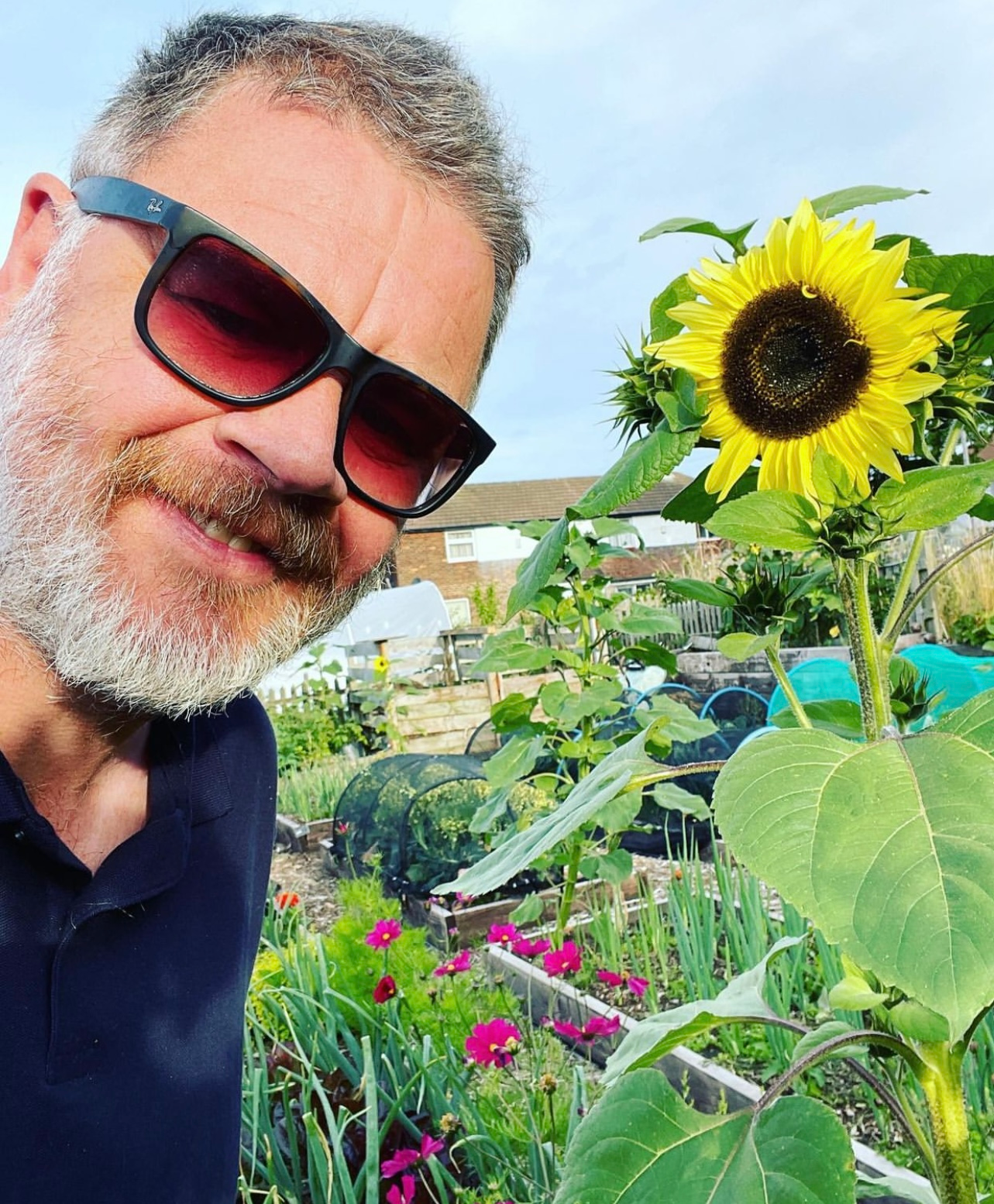
I always plant a few extra kale plants, just in case the slugs have a good go at them early on. It saves a lot of bother later, and if they all survive, well, more kale for me!
Dates for your plot
Type your zone and the plant-out advice shifts to your frost dates.
Varieties, and whether the club would grow them again
| Variety | Club verdict |
|---|---|
| Lacinato (Dinosaur) Lacinato, or Dinosaur kale, is a real favorite for its dark, crinkly leaves. It's a reliable performer that does well when started indoors for a strong start. | No club votes yet |
| Red Russian Red Russian kale has lovely ruffled leaves with reddish-purple stems. This one's easy to sow direct outside, making it great for a quick crop. | No club votes yet |
| Vates (Curly) Vates is a classic curly kale, known for its deep green, frilly leaves. It benefits from being sown undercover to get a head start before planting out. | No club votes yet |
| Winterbor Winterbor is a cracking variety if you're after cold hardiness and frost tolerance. Start it indoors for strong plants that'll keep giving even when the weather turns. | No club votes yet |
| Redbor Redbor kale stands out with its really vibrant, deep reddish-purple curly leaves. It's happy being sown direct in the ground and adds a splash of color to the plot. | No club votes yet |
| Siberian Siberian kale is another sturdy, reliable performer with slightly smoother leaves. Giving it a sheltered start undercover helps it establish well before moving it outside. | No club votes yet |
| Dwarf Blue Curled Dwarf Blue Curled is a compact little variety, just the ticket if you're short on space. It's perfect for growing in containers and does best when started indoors. | No club votes yet |
| Nero di Toscana Nero di Toscana, sometimes called Lacinato, has those distinctive dark, bumpy leaves. This one's a good candidate for direct sowing into your garden patch. | No club votes yet |
| Scarlet Scarlet kale offers beautiful deep red to purple leaves with a good flavor. Starting it undercover helps ensure strong plants for a bountiful harvest. | No club votes yet |
| White Russian White Russian kale has light green, deeply lobed leaves with white veins. It's a reliable choice that benefits from being sown indoors for a good head start. | No club votes yet |
| Premier Premier kale is a workhorse variety, known for its productivity and good flavor. It's sturdy and can be easily direct-sown straight into your patch. | No club votes yet |
| Thousandhead Thousandhead kale is a robust and vigorous grower, living up to its name with plenty of leaves. Give it a start undercover, and it'll produce a proper big plant. | No club votes yet |
| Blue Knight Blue Knight produces lovely blue-green, slightly ruffled leaves. It’s a good, solid choice that gets a head start when sown indoors. | No club votes yet |
| Prizm Prizm kale is known for its finely curled, dark green leaves and compact habit. It's a reliable maincrop variety that can be sown directly in the garden. | No club votes yet |
| Starbor Starbor is a dependable curly kale that offers good yields of flavorful leaves. Giving it an undercover start helps ensure strong plants for a decent harvest. | No club votes yet |
Votes are members rating varieties in their Seed Tin, one vote per gardener. Tap a variety for the full page and where to buy.
Buy Kale seeds
Partner retailers. If you buy through these links we may earn a small commission. It never costs you more.
Sowing by USDA zone
| Zone | Sow / plant | Harvest |
|---|---|---|
| Zone 3 | April to August | June to October |
| Zone 4 | April to August | June to October |
| Zone 5 | March to September | May to November |
| Zone 6 | March to September | May to November |
| Zone 7 | February to October | April to December |
| Zone 8 | February to October | April to December |
| Zone 9 | January to November | March to December |
| Zone 10 | September to March | February to December |
Cook the harvest
A deeply warming and nourishing Italian-American soup loaded with tender kale, creamy cannellini beans, aromatic vegetables, and a rich chicken or vegetable broth. Simple enough for a weeknight and hearty enough to be a full meal.
50 min · easyA deeply flavorful Southern-inspired braised kale slow-cooked with smoked turkey, garlic, onion, and a splash of apple cider vinegar until completely tender and infused with smoky richness. Serve with cornbread for the ultimate comfort meal.
65 min · easyJumbo pasta shells stuffed with a creamy ricotta and kale filling, nestled in a rich tomato sauce and blanketed with melted mozzarella. A satisfying Italian-American baked pasta that is perfect for feeding a crowd or batch cooking ahead.
75 min · mediumA nourishing, colorful bowl of roasted sweet potato, massaged kale, cooked farro, chickpeas, and creamy tahini dressing — everything a proper Buddha bowl should be. Each component is made separately, which sounds like work but most of it roasts hands-off in the oven while you prep everything else.
55 min · easyWatch for, and grow alongside
Companions: onions, herbs, potatoes, celery
Questions people ask
When do you sow Kale in the US?
Sow Kale from March to September in zone 6, earlier or later by zone. Plant out October, after the last frost.
How long does Kale take from sowing to harvest?
Roughly 60 days, with the harvest May to November.
Which Kale varieties do gardeners grow again?
Club members rate every variety they grow. This page shows the grow-again votes for Lacinato (Dinosaur), Red Russian, Vates (Curly), Winterbor and more.
Track your Kale from packet to plate
Sowing reminders and harvest forecasts for your own frost dates, the Seed Tin, Scan Centre for any label or packet, and the Potty Mouth Garden Club. Free to start.
Allotment keeper in the North East of England, the voice behind the Tony C Smith YouTube channel, and the gardener who built GrowMore CookMore. Club numbers on this page update as members log their plots. Last updated 3 September 2026.