
Crops › Ornamental Pumpkin (Squash)
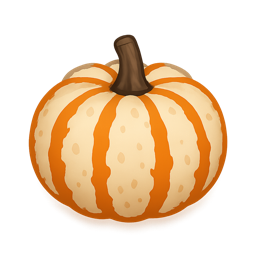
How to grow Ornamental Pumpkin (Squash)
in the US
Sow April to May, plant out June to August, harvest September to October. About 90 days from seed to plate.
Shown for zone 6. Zone table further down.
If you're after something a bit different, ornamental pumpkins are a cracking choice. They sprawl across the plot, giving you all sorts of shapes and colors for fall decorating. Proper fun to grow, and they look great piled up on the porch, you know what I mean.
Sowing
Now, these are proper squash plants, part of the Cucurbitaceae family, so they like it warm. You can start them indoors 2 to 4 weeks before your last expected frost, or direct sow seeds straight into the ground once the soil has really warmed up. For folks in Zone 5, that's usually May; Zones 6 and 7 can start in April or May; and if you're in Zone 8 or 9, March or April is your window. Plant seeds about an inch (2.5 cm) deep, in a spot that gets plenty of sun. You won't find plug plants for these generally, so it's all from seed, which is fine by me.
Growing on
Once your seedlings are up, if you've started them indoors, make sure to harden them off gradually before planting them out. They're tender, so wait until all danger of frost has passed. These plants get big, proper big, so give them plenty of room, at least 3 to 6 feet (1 to 2 meters) between each plant. You can plant them in mounds, or let them trail across the ground. Some of the smaller ones can even be encouraged to climb a sturdy trellis if you fancy.
Looking after it
Ornamental pumpkins love rich soil and full sun, so pick your spot well. They're thirsty plants, especially when they're getting established and forming fruit, so water them deeply and consistently. A good mulch around the base will help keep that moisture in and stop the weeds from taking over. Give them a bit of a feed now and then, especially when the fruits are starting to swell.
What goes wrong
Like most squash, you'll want to keep an eye out for a few common garden nuisances. Squash Bugs and Vine Borers can be a real pain, so check your plants regularly, especially the undersides of leaves and stems. Aphids and Cucumber Beetles might show up too. Healthy, well-watered plants tend to fight them off better, but sometimes you just have to get in there and pick them off by hand, to be honest.
Harvest
You'll be harvesting these beauties from August right through to November, about 90 days after you sowed them. Wait until the skin is hard and the color is fully developed – that's when you know they're ready. Cut them from the vine, leaving a decent bit of stem on each one. This helps them store better. Let them cure in a warm, dry spot for a week or two, and then they'll keep for ages for your fall displays.

I always try and find a bit of raised ground or an old pallet to rest my developing pumpkins on. Keeps 'em off the damp soil, stops 'em rotting, and you get a cleaner finish.
Dates for your plot
Type your zone and the plant-out advice shifts to your frost dates.
Varieties, and whether the club would grow them again
| Variety | Club verdict |
|---|---|
| Baby Boo These are tiny, pure white pumpkins, no bigger than a golf ball, really. Perfect for little hands to pick and great for miniature fall displays or decorating a small space. | No club votes yet |
| Jack Be Little A classic mini orange pumpkin, about the size of a tennis ball, often one of the first to ripen. Cracking for individual place settings or little autumn arrangements. | No club votes yet |
| Munchkin Similar to Jack Be Little, these are small, bright orange pumpkins, sometimes with a slightly flatter shape. Great for mass planting to get a proper good harvest of little decorative gourds. | No club votes yet |
| Lunch Lady (warted) These are fun, medium-sized pumpkins with distinctive warts and bumps, giving them loads of character. A proper conversation starter for your fall displays, chuffed to grow these. | No club votes yet |
| Goblin Eggs Small, egg-shaped gourds that come in a mix of colors like green, yellow, and white, sometimes striped. Really versatile for mixing in with other autumn decorations or in a bowl on the table. | No club votes yet |
| Harlequin These are striking gourds with pointed ends and come in a lovely mix of green, white, and orange stripes and patterns. They add a real touch of elegance to any autumn arrangement. | No club votes yet |
| Bumpkin Another small, round, bright orange pumpkin, often a bit smoother than some of the others. A reliable choice if you just want simple, classic mini pumpkins for your autumn decor. | No club votes yet |
| Wee-B-Little One of the smallest true pumpkins, perfectly round and a vibrant orange. Ideal for children to grow and for creating charming, tiny displays. | No club votes yet |
| Tiger Stripe These gourds have a unique striped pattern, often with green and cream or yellow markings, and an interesting elongated shape. They really stand out amongst plain pumpkins and add a bit of flair. | No club votes yet |
| Speckled Swan These are amazing, large gourds shaped like a swan, often with green and white speckles. A proper showstopper for any garden or display, though they do need plenty of space to grow. | No club votes yet |
| Autumn Wings A mix of uniquely shaped gourds, often with interesting 'wing' projections and a range of colors. You'll get all sorts of weird and wonderful shapes with these, great for a varied display. | No club votes yet |
| Apple Gourd These small, round gourds look just like apples, often in green or yellow. They're lovely for tabletop arrangements or as part of a varied bowl of decorative items. | No club votes yet |
| Crown of Thorns Named for their distinct, thorn-like protrusions around the top, these gourds come in a mix of colors. Definitely one to impress with their unusual and striking appearance. | No club votes yet |
| Warty Goblin As the name suggests, these are medium-sized, bright orange pumpkins covered in prominent warts. If you want something spooky and fun for Halloween, these are a cracking choice. | No club votes yet |
| Stripetti These aren't just for eating; their decorative striped skin, usually green and yellow, makes them interesting for display too. A versatile squash that looks good for display. | No club votes yet |
Votes are members rating varieties in their Seed Tin, one vote per gardener. Tap a variety for the full page and where to buy.
Buy Ornamental Pumpkin (Squash) seeds
Partner retailers. If you buy through these links we may earn a small commission. It never costs you more.
Sowing by USDA zone
| Zone | Sow / plant | Harvest |
|---|---|---|
| Zone 3 | April to June | August to November |
| Zone 4 | April to June | August to November |
| Zone 5 | May | September to October |
| Zone 6 | April to May | September to October |
| Zone 7 | April to May | August to October |
| Zone 8 | March to April | August to November |
| Zone 9 | March to April | August to November |
| Zone 10 | April to June | August to November |
Cook the harvest
A seasonal twist on classic hummus that swaps half the chickpeas for roasted ornamental pumpkin flesh, creating a dip that's smoother, lighter, and painted in shades of autumn orange. Edible ornamental varieties like Munchkin pumpkins work beautifully here. Serve with pita and crudités.
35 min · easyWedges of edible ornamental pumpkin roasted until caramelized, arranged over peppery arugula with jewel-bright pomegranate seeds and crumbled goat cheese, finished with a honey-balsamic dressing. A fall salad with visual drama equal to its flavor. Perfect for Thanksgiving or harvest gatherings.
40 min · easySmall ornamental pumpkins serve double duty as edible vessels for a rich, creamy soup made from their own flesh. Though often grown for decoration, many ornamental varieties like Baby Boo and Jack-Be-Little are entirely edible. An impressive dinner party presentation that wastes nothing.
65 min · mediumIndividual ornamental pumpkins transformed into the most theatrical dessert on any fall table — rich pumpkin custard set inside the pumpkin shell itself, finished with a crackling caramelized sugar top. Uses edible mini varieties as natural ramekins. Extraordinary for dinner parties.
80 min · challengingWatch for, and grow alongside
Companions: Corn, Beans, Nasturtiums, Marigolds
Questions people ask
When do you sow Ornamental Pumpkin (Squash) in the US?
Sow Ornamental Pumpkin (Squash) from April to May in zone 6, earlier or later by zone. Plant out June to August, after the last frost.
How long does Ornamental Pumpkin (Squash) take from sowing to harvest?
Roughly 90 days, with the harvest September to October.
Which Ornamental Pumpkin (Squash) varieties do gardeners grow again?
Club members rate every variety they grow. This page shows the grow-again votes for Baby Boo, Jack Be Little, Munchkin, Lunch Lady (warted) and more.
Track your Ornamental Pumpkin (Squash) from packet to plate
Sowing reminders and harvest forecasts for your own frost dates, the Seed Tin, Scan Centre for any label or packet, and the Potty Mouth Garden Club. Free to start.
Allotment keeper in the North East of England, the voice behind the Tony C Smith YouTube channel, and the gardener who built GrowMore CookMore. Club numbers on this page update as members log their plots. Last updated 3 September 2026.