
Crops › Pawpaw
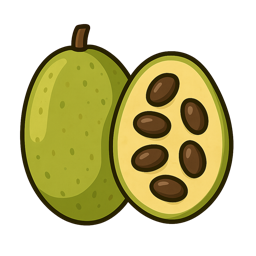
How to grow Pawpaw
in the US
Sow March to November, plant out December, harvest July to October. About 1095 days from seed to plate.
Shown for zone 6. Zone table further down.
If you're after something a bit different for your backyard, pawpaws are a cracking choice. These aren't your everyday fruit, you know, they offer a real taste of the tropics with their creamy, custardy flesh. They're a bit of a long-term project, mind, but oh, the reward is proper chuffed.
Sowing
Pawpaw seeds need a bit of special treatment, like a cold stratification period first, so do your homework on that. You'll want to sow them indoors, really, in individual pots about an inch deep, anytime from January in warmer zones right through to May in cooler spots, depending on your USDA zone. Check the GrowMore CookMore app, it'll give you the proper timing for your area, from February in zone 9 to April in zone 3. They need warmth to germinate, around 70-75°F, so a heat mat helps. It takes a fair while for them to get going, mind, so be patient.
Growing on
Once your seedlings are a few inches tall, and all danger of the last frost has passed, you can start to harden them off. This means gradually getting them used to the outdoors over a week or two, you know, a bit like easing yourself into a cold bath. Plant them out in a sunny spot, or partial shade when young, about 15 to 20 feet apart, as they grow into decent-sized trees. They don't really do well in containers for the long haul, to be honest.
Looking after it
Young pawpaw trees need consistent moisture, especially in their first couple of years, so keep an eye on the soil. A good layer of mulch around the base will help keep the weeds down and hold that moisture in. They don't need a lot of feeding once established, but a balanced fertilizer in spring can give them a boost. Just keep them happy and watered through any dry spells.
What goes wrong
Aphids can sometimes be a bother on new growth, just give them a good spray with water or a bit of insecticidal soap. Slugs might have a go at the young plants too, so keep an eye out for them and use whatever method you fancy, like a beer trap or just picking them off. Otherwise, pawpaws are usually pretty robust, mind, not too much to worry about.
Harvest
You'll be waiting a fair while for your first fruit, about three years from sowing, but it's worth it. Pawpaws are usually ready for picking in September or October, depending on your climate, when they feel soft to the touch and might have a slight give. They'll drop naturally when ripe, like, so keep an eye on the ground. Store them in a cool, dry place, or pop them in the fridge if you've got loads.

I always find planting a couple of different varieties helps with pollination, even if they're supposedly self-fertile, just to make sure you get a proper harvest.
Dates for your plot
Type your zone and the plant-out advice shifts to your frost dates.
Varieties, and whether the club would grow them again
| Variety | Club verdict |
|---|---|
| Sunflower Sunflower is a cracking, reliable variety that consistently produces good fruit. It's a great choice if you're looking for a dependable maincrop for your backyard. | No club votes yet |
| Shenandoah This Shenandoah variety is a truly reliable performer, known for its consistent yields and good quality fruit. It's an excellent choice for anyone wanting a dependable maincrop pawpaw. | No club votes yet |
| Susquehanna Susquehanna is another proper reliable performer, offering a steady harvest of tasty fruit. This one is a solid bet for a consistent crop in your garden. | No club votes yet |
| Allegheny The Allegheny variety is a dependable choice for any gardener, producing a good, reliable crop of pawpaws. It's well-suited for those who want a consistent maincrop without too much fuss. | No club votes yet |
| Rappahannock Rappahannock is a very reliable pawpaw variety, giving you consistent yields season after season. It's a solid choice for a maincrop, known for its steady performance. | No club votes yet |
| Potomac Potomac is a reliable performer, producing good quality fruit year after year. This variety is a great option for a steady supply of pawpaws from your plot. | No club votes yet |
| KSU-Atwood KSU-Atwood is a top-notch, reliable pawpaw variety, well-regarded for its steady production. It's a good choice for ensuring a consistent maincrop in your home orchard. | No club votes yet |
| KSU-Chappell KSU-Chappell is another fantastic, reliable performer, known for its consistent and high-quality fruit. This variety is perfect for gardeners seeking a dependable maincrop pawpaw. | No club votes yet |
| Mango The Mango variety is a reliable performer, offering a consistent harvest of excellent fruit. It's a great maincrop choice for a dependable yield in your backyard. | No club votes yet |
| Wells Wells is a really reliable pawpaw variety, delivering consistent crops of good fruit. If you're after a dependable maincrop, this one won't let you down. | No club votes yet |
| Overleese Overleese is a trustworthy and reliable performer, known for producing a steady yield of quality pawpaws. It's a cracking choice for a consistent maincrop in your garden. | No club votes yet |
| Taytwo Taytwo is a dependable pawpaw variety, offering reliable performance and consistent fruit production. It's a solid option for anyone looking for a steady maincrop harvest. | No club votes yet |
| Mitchell Mitchell is a reliable performer, giving you a consistent supply of good pawpaws each season. This variety is a great maincrop choice for a steady harvest. | No club votes yet |
| Rebecca's Gold Rebecca's Gold is a truly reliable variety, producing a consistent and tasty crop of pawpaws. It's a cracking maincrop option for dependable fruit. | No club votes yet |
| Prolific This Prolific variety is a heavy producer, meaning you'll get excellent yields of fruit. It's the one to pick if you're after a really cracking, abundant harvest. | No club votes yet |
Votes are members rating varieties in their Seed Tin, one vote per gardener. Tap a variety for the full page and where to buy.
Buy Pawpaw seeds
Partner retailers. If you buy through these links we may earn a small commission. It never costs you more.
Sowing by USDA zone
| Zone | Sow / plant | Harvest |
|---|---|---|
| Zone 3 | April to May | August to September |
| Zone 4 | April to May | August to September |
| Zone 5 | March to May | August to October |
| Zone 6 | March to November | July to October |
| Zone 7 | March to November | July to October |
| Zone 8 | February to November | July to November |
| Zone 9 | February to December | June to November |
| Zone 10 | November to February | June to November |
Cook the harvest
A silky, spreadable fruit butter that cooks down ripe pawpaw with warm spices into a jar of pure Appalachian autumn. Spread on biscuits, stir into oatmeal, or use as a glaze for roasted pork. The result is concentrated, complex, and utterly unlike anything store-bought.
55 min · easyThis no-churn pawpaw ice cream lets one of North America's most overlooked fruits take the spotlight. The fruit's natural custardy texture and tropical flavor make for an extraordinarily creamy, scoopable treat that needs no eggs and no ice cream machine.
15 min · easyA silky, custard-like baked pudding that showcases the pawpaw's tropical-banana-mango flavor. This is Appalachian comfort food at its finest — rich, warming, and deeply satisfying. Serve warm with a dollop of whipped cream or a scoop of vanilla ice cream.
60 min · easyA vivid tropical salsa made with diced pawpaw, jalapeño, red onion, and cilantro, spooned over smoky grilled shrimp. The pawpaw's fruity sweetness perfectly offsets the char of the shrimp and the kick of the jalapeño. This is summer backyard cooking at its most unexpected and delicious.
28 min · easyWatch for, and grow alongside
Companions: nasturtium, chives, comfrey, white clover, yarrow, daffodils
Questions people ask
When do you sow Pawpaw in the US?
Sow Pawpaw from March to November in zone 6, earlier or later by zone. Plant out December, after the last frost.
How long does Pawpaw take from sowing to harvest?
Roughly 1095 days, with the harvest July to October.
Which Pawpaw varieties do gardeners grow again?
Club members rate every variety they grow. This page shows the grow-again votes for Sunflower, Shenandoah, Susquehanna, Allegheny and more.
Track your Pawpaw from packet to plate
Sowing reminders and harvest forecasts for your own frost dates, the Seed Tin, Scan Centre for any label or packet, and the Potty Mouth Garden Club. Free to start.
Allotment keeper in the North East of England, the voice behind the Tony C Smith YouTube channel, and the gardener who built GrowMore CookMore. Club numbers on this page update as members log their plots. Last updated 3 September 2026.