
Crops › Russet Baking Potato
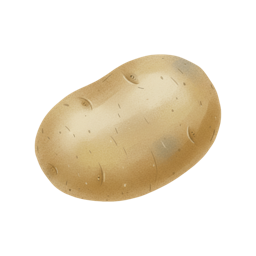
How to grow Russet Baking Potato
in the US
Sow March to April, plant out May to June, harvest July to August. About 110 days from seed to plate.
Shown for zone 6. Zone table further down.
Growing your own Russet Baking Potatoes is dead easy, honestly, and one of the most satisfying things you can do on your plot. There's nothing quite like digging up a proper big spud you've grown yourself, ready for a good bake. They're a staple for a reason, reliable and just what you need for a hearty meal.
Sowing
You'll want to get your certified seed potatoes into cool soil, around 45–55°F, when the danger of hard frost has passed for your area. For most folks, that means planting outdoors sometime between late winter and late spring, depending on your USDA zone. For instance, if you're in zone 9, you might be planting as early as January or February, but in zone 3, you're looking at May. Pop them about 6 inches deep and give them a good 12 to 15 inches between each potato in the row, with about 3 feet between your rows. This gives them plenty of room to grow properly.
Growing on
Once your potato plants start to grow, you'll need to 'hill' them up a few times. This means drawing soil up around the stems, covering them lightly as they grow taller. It encourages more tubers to form, and it's key for stopping any light getting to the potatoes and turning them green. Keep an eye on the spacing, like I say, about 12-15 inches apart in rows 3 feet wide, so they don't get too crowded out.
Looking after it
Keep an eye on the watering, especially when those tubers are really starting to bulk up, which is about halfway through their growing cycle. They like a nice even moisture, not too dry, not waterlogged. And don't forget to keep hilling them up; it's dead important for getting a good crop and stopping any green bits from showing. Companion plants like beans, corn, or marigolds can help keep the plot healthy.
What goes wrong
To be honest, you'll probably encounter a few pests looking for a free meal. Colorado Potato Beetles can be a nuisance, and wireworms might try to tunnel into your tubers. Aphids can also cause problems. Hilling your potatoes well is the best way to prevent greening, which makes them inedible. Just keep an eye out and pick off any bigger bugs you see by hand.
Harvest
Your Russet potatoes will be ready for harvest in about 110 days from planting, usually from August right through to October. The best way to tell they're ready is when the vines start to yellow and die back naturally. Once they've done that, leave them in the ground for another week or two, then carefully dig them up. Cure them in a dark, cool spot at 50–60°F for a week or two, then store them long-term at 38–42°F with good ventilation.

Me? I always try to plant a few Marigolds nearby. They're cracking for keeping some of the nastier bugs away, and they look proper cheerful on the plot, you know what I mean.
Dates for your plot
Type your zone and the plant-out advice shifts to your frost dates.
Varieties, and whether the club would grow them again
| Variety | Club verdict |
|---|---|
| Russet Burbank This is the one everyone thinks of for a proper baked potato. It gives you that lovely dry, fluffy texture, just right for butter and all your favorite toppings. | No club votes yet |
| Norkotah Russet A really popular choice, and you can see why with its lovely uniform shape and smooth skin. It’s a cracking potato for baking, very reliable in the kitchen. | No club votes yet |
| Frontier Russet If you want plenty of potatoes to keep you going through the colder months, Frontier Russet is a good bet. It gives reliable yields and stands up well to diseases, which is always a bonus on the plot. | No club votes yet |
| Goldrush Russet This one's a gem for baking, offering a really smooth skin and a lovely mild flavor. You'll get that fantastic fluffy texture inside, perfect for a hearty meal. | No club votes yet |
| Ranger Russet If you're after some proper big spuds, Ranger Russet is the one for you, producing truly large potatoes. They're excellent for making homemade fries or for a substantial baked potato. | No club votes yet |
| Bannock Russet This variety boasts a lovely dry, starchy flesh that's just right for many dishes. It’s particularly good if you want to store your harvest for a long time, keeping well into winter. | No club votes yet |
| Bridget Russet This variety is a cracking choice for those in cooler climates, proving very reliable on the plot. You'll get nice, uniform potatoes, making for a consistent harvest. | No club votes yet |
| Teton Russet Teton Russet offers truly excellent baking quality, giving you that perfect fluffy texture. Plus, it's got good disease resistance, which saves you a lot of bother on the plot. | No club votes yet |
Votes are members rating varieties in their Seed Tin, one vote per gardener. Tap a variety for the full page and where to buy.
Buy Russet Baking Potato seeds
Partner retailers. If you buy through these links we may earn a small commission. It never costs you more.
Sowing by USDA zone
| Zone | Sow / plant | Harvest |
|---|---|---|
| Zone 3 | May | September to October |
| Zone 4 | April to May | August to September |
| Zone 5 | April | August to September |
| Zone 6 | March to April | July to August |
| Zone 7 | March | July to August |
| Zone 8 | February to March | June to July |
| Zone 9 | January to February | June to July |
| Zone 10 | March to May | August to October |
Cook the harvest
Russet potatoes sliced accordion-style and roasted until the fanned layers crisp individually into dozens of golden, paper-thin chips while the interior stays fluffy. The dramatic presentation requires one simple technique, and the result is better than roast potatoes or baked potatoes — it's both at once. Finished with garlic herb butter.
75 min · easyLight, pillowy gnocchi made from baked russet potatoes — the key to dumpling lightness is in the potato variety. Russets' dry, starchy flesh requires far less flour than waxy potatoes, resulting in gnocchi that float like clouds rather than sit like stones. Serve with browned butter and sage.
100 min · mediumCrispy twice-baked potato shells loaded with melted cheddar, crispy bacon, and sour cream — the definitive American bar appetizer made at home and miles better for it. Russet potato skins are thick and sturdy enough to hold generous fillings and develop a spectacular crunch when baked a second time.
90 min · easyA deeply comforting casserole of grated russet potatoes bound in a sour cream and cheddar sauce, baked until bubbly and golden — the American potluck staple known variously as funeral potatoes, cheesy potatoes, or hash brown casserole. Rich, crowd-pleasing, and unapologetically indulgent. The recipe everyone asks for.
70 min · easyWatch for, and grow alongside
Companions: Beans, Corn, Horseradish, Marigolds
Questions people ask
When do you sow Russet Baking Potato in the US?
Sow Russet Baking Potato from March to April in zone 6, earlier or later by zone. Plant out May to June, after the last frost.
How long does Russet Baking Potato take from sowing to harvest?
Roughly 110 days, with the harvest July to August.
Which Russet Baking Potato varieties do gardeners grow again?
Club members rate every variety they grow. This page shows the grow-again votes for Russet Burbank, Norkotah Russet, Frontier Russet, Goldrush Russet and more.
Track your Russet Baking Potato from packet to plate
Sowing reminders and harvest forecasts for your own frost dates, the Seed Tin, Scan Centre for any label or packet, and the Potty Mouth Garden Club. Free to start.
Allotment keeper in the North East of England, the voice behind the Tony C Smith YouTube channel, and the gardener who built GrowMore CookMore. Club numbers on this page update as members log their plots. Last updated 3 September 2026.