
Crops › Storage Potato
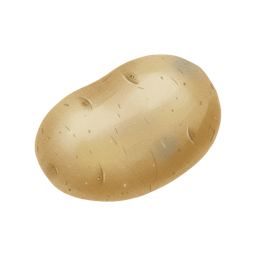
How to grow Storage Potato
in the US
Sow March to April, plant out May to July, harvest August to September. About 120 days from seed to plate.
Shown for zone 6. Zone table further down.
Proper storage potatoes are a cracking thing to grow, to be honest. There's nothing quite like digging up a good harvest and knowing you've got spuds for the winter months. They take a bit of effort, like, but it's well worth it when you're cooking with your own homegrown.
Sowing
You won't find plug plants for these, so you'll be starting with seed potatoes. I always recommend chitting them first, just letting them sprout a bit in a cool, light spot for a few weeks before planting. You want to get them in the ground after your last frost, but the best time really depends on your USDA zone. For example, folks in zone 3 might plant in May, while those in zone 9 could be getting them in as early as February. Dig a trench about 6 inches deep, then plant your seed potatoes about 12-15 inches apart in rows 3 feet apart. Cover them over lightly, and they'll be happy.
Growing on
Once your potato plants start to pop up, you need to begin 'hilling' them. This just means drawing up soil around the base of the plant to cover the stems as they grow. You'll do this a few times, making a mound about 8-12 inches high eventually. This protects the developing tubers from sunlight and encourages more spuds to form. Deep, rich soil is key, so don't be shy with adding compost or well-rotted manure before planting.
Looking after it
Potatoes are a bit thirsty, especially when they're flowering, so keep 'em watered during dry spells. A bit of a feed with some balanced fertilizer or compost tea can help too, but good soil at the start makes a big difference. Mulching around the plants can help keep the moisture in and stop weeds from taking over. Just keep an eye on them, and they'll mostly look after themselves.
What goes wrong
Potato Beetles can be a real nuisance, munching away at the leaves, so pick them off by hand if you see them. Wireworms are another pest, they tunnel into the tubers, which is a right pain. Scab can also be a problem, causing rough patches on the skin, especially in soil that's too alkaline. Good crop rotation and keeping the soil healthy, with companion plants like beans, really helps keep these issues in check.
Harvest
This is where patience really pays off for storage potatoes. You want to let the vines die completely back and go brown, which tells you the tubers are fully mature. That's usually about 120 days from sowing, often around September, October, or November, depending on when you planted. Dig them up carefully with a fork, try not to bruise them. Then, you need to 'cure' them for about 14 days in a cool, dark, well-ventilated spot before storing them at around 38°F. They can last up to 8 months like that, cracking!

I always make sure to give my potato trenches a good load of well-rotted manure before planting. It makes all the difference, you know what I mean, for a proper big crop.
Dates for your plot
Type your zone and the plant-out advice shifts to your frost dates.
Varieties, and whether the club would grow them again
| Variety | Club verdict |
|---|---|
| Kennebec Kennebec is a proper classic, known for its superb storage qualities and high yields. If you want a versatile spud that keeps well, this is a cracking choice. | No club votes yet |
| Elba Elba stands out with its excellent resistance to common potato diseases, meaning less hassle for you. It's also a great keeper, so you'll have spuds for months. | No club votes yet |
| Red Pontiac Late This late Red Pontiac grows bigger than its early cousin, offering a good, sturdy all-purpose potato. It's a reliable choice if you like a larger spud for cooking. | No club votes yet |
| Russet Norkotah Late A later maturing version of the popular Russet Norkotah, this one's excellent for baking and keeps well too. You'll get lovely fluffy baked potatoes right into winter. | No club votes yet |
| Goldrush Goldrush is a real winner if you're after spuds that keep for ages and taste fantastic. It's got that proper earthy flavor that's just right for all sorts of dishes. | No club votes yet |
| Bintje This Dutch classic is a truly versatile all-purpose potato, great for boiling, mashing, or frying. It also boasts impressive long storage capabilities, so it's a real workhorse. | No club votes yet |
| Red La Soda If you like red-skinned potatoes and want them to last, Red La Soda is your answer, storing much better than the earlier types. It's a proper sturdy potato that holds its own. | No club votes yet |
| Cal White Cal White grows to a good size and is specifically known for its excellent frying qualities. If you love homemade French fries or crispy roasted spuds, this one's for you. | No club votes yet |
Votes are members rating varieties in their Seed Tin, one vote per gardener. Tap a variety for the full page and where to buy.
Buy Storage Potato seeds
Partner retailers. If you buy through these links we may earn a small commission. It never costs you more.
Sowing by USDA zone
| Zone | Sow / plant | Harvest |
|---|---|---|
| Zone 3 | May | October |
| Zone 4 | April to May | September to October |
| Zone 5 | April | September |
| Zone 6 | March to April | August to September |
| Zone 7 | March | August to September |
| Zone 8 | February to March | July to August |
| Zone 9 | February | July |
| Zone 10 | March to May | September to November |
Cook the harvest
A thick, nourishing soup of diced storage potatoes and creamy white beans simmered with rosemary, garlic, and a parmesan rind. The beans are partly blended to create a naturally rich, velvety broth without any cream. This is the kind of soup that improves the next day and fills the kitchen with warmth.
40 min · easyA thick, warming winter stew built on storage potatoes and white beans in a smoky, herb-rich tomato broth. Storage potatoes break down slightly at the edges, thickening the stew naturally while remaining mostly intact. This is the cook-once-eat-all-week dish that cold weather demands, made from pantry staples.
55 min · easyCrispy baked potato skins loaded with smoky pulled pork, tangy coleslaw, and a drizzle of barbecue sauce. The skins are brushed with oil and baked until crunchy before being filled — they hold their shape beautifully. A game-day or party appetizer that uses winter storage potatoes to full effect.
85 min · mediumThe timeless French vichyssoise-inspired soup made with storage potatoes and leeks — a silky, elegant bowl that requires almost no technique beyond patience. Storage potatoes break down into a perfectly smooth purée that needs no cream to feel luxurious, though cream makes it more so. One of the great simple soups.
50 min · easyWatch for, and grow alongside
Companions: Beans, Horseradish, Yarrow
Questions people ask
When do you sow Storage Potato in the US?
Sow Storage Potato from March to April in zone 6, earlier or later by zone. Plant out May to July, after the last frost.
How long does Storage Potato take from sowing to harvest?
Roughly 120 days, with the harvest August to September.
Which Storage Potato varieties do gardeners grow again?
Club members rate every variety they grow. This page shows the grow-again votes for Kennebec, Elba, Red Pontiac Late, Russet Norkotah Late and more.
Track your Storage Potato from packet to plate
Sowing reminders and harvest forecasts for your own frost dates, the Seed Tin, Scan Centre for any label or packet, and the Potty Mouth Garden Club. Free to start.
Allotment keeper in the North East of England, the voice behind the Tony C Smith YouTube channel, and the gardener who built GrowMore CookMore. Club numbers on this page update as members log their plots. Last updated 3 September 2026.