
Crops › Beefsteak Tomato
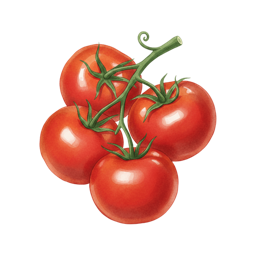
How to grow Beefsteak Tomato
in the US
Sow February to March, plant out April, harvest May to June. About 85 days from seed to plate.
Shown for zone 6. Zone table further down.
Beefsteak tomatoes, they're just proper cracking, aren't they? Nothing beats that first bite of a big, juicy, homegrown one. They're a bit of a project, I won't lie, medium difficulty you know, but the taste makes all the effort worthwhile. On my plot, these are always a centerpiece, growing tall and heavy.
Sowing
Right, so you'll want to get these beauties started indoors, about six to eight weeks before your last frost date. For those in warmer spots, like USDA Zone 8 or 9, you can get going as early as January or February. Zone 6 and 7 folks are looking at February or March, and if you're in Zone 5, March or April is your window. Sow your seeds a quarter inch (6mm) deep in good seed-starting mix, keep them warm, around 70-75°F (21-24°C), and they'll pop up. It's about 85 days from that little seed to a ripe tomato, so plan ahead.
Growing on
Once your seedlings have their first true leaves, it's time to prick them out and give them their own small pots. Keep them warm and watered. Before planting them out, harden them off properly over a week or two, gradually introducing them to the outside. When all danger of frost is gone, and your soil's warmed up to at least 60°F (15°C), plant them deeply, burying a bit of the stem; it helps them grow stronger roots. Give them plenty of space, maybe 2 feet (60cm) between plants. You'll need to stake or cage them early, these big boys get heavy.
Looking after it
Beefsteaks are thirsty and hungry, to be honest. Keep the soil consistently moist, especially once the fruits start setting, but don't let them sit in water. Erratic watering can cause problems. Feed them regularly with a balanced tomato fertilizer. Prune them to one or two main leaders for better airflow and bigger fruits, it just works better. Oh, and remember to give them a bit of calcium, it helps stop blossom end rot from spoiling your harvest.
What goes wrong
Like I say, it's not always plain sailing. You might find hornworms, aphids, whiteflies, or cutworms trying to munch on your plants. Keep an eye out and pick off hornworms by hand, or use a natural spray for the smaller critters. Blossom end rot, where the bottom of the fruit goes black and leathery, is a common one. It's often down to uneven watering or a calcium deficiency, so steady watering and a calcium boost can sort it.
Harvest
You'll know your beefsteak is ready when it's fully colored up and feels a bit soft when you gently squeeze it. Pick them carefully, twisting the fruit until it comes away from the stem. Don't pull too hard, you know what I mean. If you get a proper glut, which you hopefully will, store them at room temperature, out of direct sunlight. Only pop them in the fridge once they're fully ripe if you need an extra couple of days of shelf life.

I always get mine started with a good dollop of compost in the planting hole and a handful of crushed eggshells for that extra calcium boost, seems to keep them happy and productive.
Dates for your plot
Type your zone and the plant-out advice shifts to your frost dates.
Varieties, and whether the club would grow them again
| Variety | Club verdict |
|---|---|
| Brandywine Pink This is a proper classic, an Amish heirloom known for its huge pink fruits and incredibly rich flavor. If you want a taste of tradition and don't mind a bit of a wait, this one's for you. | No club votes yet |
| Brandywine Red A red-skinned version of the famous Brandywine, this heirloom offers excellent slicing tomatoes. Perfect if you love that classic Brandywine taste but prefer a traditional red fruit. | No club votes yet |
| Cherokee Purple This heirloom gives you dusky purple beefsteaks with a wonderfully complex, sweet flavor. It's a real conversation starter on the plate and tastes amazing in a sandwich. | No club votes yet |
| Mortgage Lifter As the name suggests, this one was bred for size and productivity, producing truly huge fruits. If you're aiming for a showstopper or just want to feed a crowd, this is your champion. | No club votes yet |
| Big Beef A cracking hybrid beefsteak known for its strong disease resistance and reliable high yield. This is a great choice if you want consistent, trouble-free production of large, tasty tomatoes. | No club votes yet |
| Better Boy This is a really reliable hybrid, a fantastic slicer with a perfectly balanced flavor. It's a solid, dependable choice for any gardener looking for consistent quality. | No club votes yet |
| Big Boy A very popular hybrid that consistently produces large, round, classic beefsteak fruits. It's a super choice if you're after that traditional big red tomato look and taste. | No club votes yet |
| Black Krim Hailing from Russia, this heirloom gives you dark maroon beefsteaks with a unique savory and salty-sweet taste. It's a real gourmet choice for something a bit different. | No club votes yet |
| German Johnson An old Southern heirloom, this variety produces smooth, beautiful pink fruits with a lovely mild flavor. It's a good one if you appreciate a classic, easy-eating tomato. | No club votes yet |
| Pineapple This stunning bicolor beefsteak has yellow-orange stripes and wonderful fruity notes in its flavor. It's a vibrant addition to any salad and tastes as good as it looks. | No club votes yet |
Votes are members rating varieties in their Seed Tin, one vote per gardener. Tap a variety for the full page and where to buy.
Buy Beefsteak Tomato seeds
Partner retailers. If you buy through these links we may earn a small commission. It never costs you more.
Sowing by USDA zone
| Zone | Sow / plant | Harvest |
|---|---|---|
| Zone 3 | January to April | April to July |
| Zone 4 | January to April | April to July |
| Zone 5 | March to April | June to July |
| Zone 6 | February to March | May to June |
| Zone 7 | February to March | May to June |
| Zone 8 | January to February | April to May |
| Zone 9 | January to February | April to May |
| Zone 10 | January to April | April to July |
Cook the harvest
A rustic free-form pastry cradles thick-sliced beefsteak tomatoes on a bed of herbed ricotta, with the buttery crust folded casually over the edges. Baked until golden and fragrant, this savory galette is summer on a plate and far easier to make than it looks.
65 min · mediumThick slices of peak-season beefsteak tomato are layered with creamy burrata and finished with a drizzle of good olive oil, flaky sea salt, and torn fresh basil. It is the kind of dish that lets the best summer tomatoes speak for themselves without fuss.
10 min · easyBeefsteak tomatoes halved and roasted low and slow until they concentrate into intensely flavoured, jammy rounds bathed in garlicky, herb-scented olive oil. The process takes two hours but is entirely hands-off, and the result is a pantry powerhouse that makes everything it touches better. Use them on pasta, bruschetta, pizza, salads, or straight from the pan with good bread.
130 min · easyThick cross-sections of beefsteak tomato are seared in a hot cast-iron pan until caramelized and tender, then finished with a nutty garlic brown butter that transforms them into a rich, restaurant-worthy side or vegetarian centerpiece. The high heat concentrates the tomato's natural sugars for an intensely flavored result.
15 min · easyWatch for, and grow alongside
Companions: Basil, Marigolds, Carrots, Onions
Questions people ask
When do you sow Beefsteak Tomato in the US?
Sow Beefsteak Tomato from February to March in zone 6, earlier or later by zone. Plant out April, after the last frost.
How long does Beefsteak Tomato take from sowing to harvest?
Roughly 85 days, with the harvest May to June.
Which Beefsteak Tomato varieties do gardeners grow again?
Club members rate every variety they grow. This page shows the grow-again votes for Brandywine Pink, Brandywine Red, Cherokee Purple, Mortgage Lifter and more.
Track your Beefsteak Tomato from packet to plate
Sowing reminders and harvest forecasts for your own frost dates, the Seed Tin, Scan Centre for any label or packet, and the Potty Mouth Garden Club. Free to start.
Allotment keeper in the North East of England, the voice behind the Tony C Smith YouTube channel, and the gardener who built GrowMore CookMore. Club numbers on this page update as members log their plots. Last updated 3 September 2026.