
Crops › Early Season Tomato
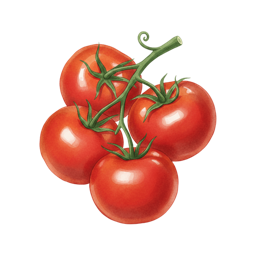
How to grow Early Season Tomato
in the US
Sow February to March, plant out April, harvest April to May. About 58 days from seed to plate.
Shown for zone 6. Zone table further down.
Getting early tomatoes is a proper treat, you know. There's nothing quite like picking your first ripe one from your own patch, even if it's still a bit chilly out. These Solanaceae plants are generally easy to grow, and with a bit of planning, you can be enjoying fresh tomatoes weeks before everyone else.
Sowing
To get a head start, you'll want to sow these indoors. If you're in USDA Zone 8 or 9, you can get going as early as January or February. Folks in Zones 6 and 7 will be sowing in February or March, while Zone 5 gardeners should aim for March or April. Pop your seeds about a quarter inch deep in small pots or trays, somewhere warm, around 70-75°F (21-24°C), and make sure they get plenty of light. It's all about tricking 'em into thinking spring's here early, you know.
Growing on
Once your little seedlings have their first true leaves, it's time to prick 'em out gently and pot them up individually. Let them grow on a bit, then give them a good hardening off for a week or two outside before planting them out in the garden. Make sure all danger of last frost has properly passed, and space 'em about 2-3 feet (60-90 cm) apart. Row covers or cloches are a cracking idea for that early protection, especially if the soil's still warming up. If you're short on space, some varieties do well in containers.
Looking after it
These early types don't usually need heavy pruning, just let 'em get on with it. The main thing is consistent watering, especially when they're setting fruit, to stop that blossom drop, particularly on those cooler nights. Once flowers start appearing, a bit of feed every couple of weeks will really help them along. Mulching around the base keeps the moisture in and the weeds down, which is always a bonus, like I say.
What goes wrong
To be honest, the usual suspects are hornworms, aphids, and whiteflies. Keep an eye out for those big hornworms and just pick 'em off by hand – proper satisfying, that. For aphids and whiteflies, a quick spray with some soapy water can often sort them out. Cutworms can be a pain for young plants, so a simple collar around the stem at planting time can save you a lot of grief.
Harvest
You'll be harvesting these beauties roughly 58 days from sowing, which is proper quick! Look for fruit that's fully colored and just give it a gentle twist to remove it from the plant. Early tomatoes are best eaten fresh, straight off the vine if you ask me. Keep them at room temperature, never the fridge, and try to enjoy them within a few days of ripening for the best flavor.

I always stick a couple of 'Sub Arctic Plenty' out under a cloche on my plot as soon as I dare, hoping to be the first to get a proper ripe one. Nothing beats that first bite, makes you proper chuffed, you know what I mean.
Dates for your plot
Type your zone and the plant-out advice shifts to your frost dates.
Varieties, and whether the club would grow them again
| Variety | Club verdict |
|---|---|
| Early Girl This is a dependable hybrid, proper prolific, and gives you a good early yield. It's a cracking choice for most gardens where you want reliable, early fruit. | No club votes yet |
| Bush Early Girl A more compact plant, this one's great for smaller spaces or if you're growing in pots. It still gives you fast-ripening fruit without taking over the whole patch. | No club votes yet |
| Fourth of July These small slicers are known for ripening around midsummer, making them a great choice if you want to kick off your tomato season with a bang. They're a good all-rounder for getting fruit on the table quickly. | No club votes yet |
| Stupice A real cold-tolerant Czech heirloom, this one keeps going even when it's a bit nippy. You get lovely sweet, small fruits, perfect if your springs are on the cooler side. | No club votes yet |
| Sub Arctic Plenty This variety is proper fast, setting fruit really early, even when the weather's still quite cool. If you want to be the first to taste a ripe tomato, this one's for you. | No club votes yet |
| Oregon Spring A cracking choice for cooler springs, as it sets fruit well even then. It's also got parthenocarpic tendencies, meaning it can produce fruit without pollination, which is a clever trick. | No club votes yet |
| Glacier This one's a potato-leaf variety that gives you flavorful, early tomatoes. It's a real gem for those with shorter growing seasons who still want a good taste. | No club votes yet |
Votes are members rating varieties in their Seed Tin, one vote per gardener. Tap a variety for the full page and where to buy.
Buy Early Season Tomato seeds
Partner retailers. If you buy through these links we may earn a small commission. It never costs you more.
Sowing by USDA zone
| Zone | Sow / plant | Harvest |
|---|---|---|
| Zone 3 | January to April | March to June |
| Zone 4 | January to April | March to June |
| Zone 5 | March to April | May to June |
| Zone 6 | February to March | April to May |
| Zone 7 | February to March | April to May |
| Zone 8 | January to February | March to April |
| Zone 9 | January to February | March to April |
| Zone 10 | January to April | March to June |
Cook the harvest
Juicy chicken thighs braised in a quick sauce built from fresh early season tomatoes, garlic, white wine, and herbs. The tomatoes' bright acidity keeps the sauce light and vibrant rather than heavy and sweet. A weeknight dinner that tastes like a real Italian Sunday meal.
45 min · easyA thick, golden Italian egg frittata loaded with early season tomatoes, fresh herbs, and good cheese. Halfway between an omelette and a quiche but easier than either, it's cooked on the stovetop and finished briefly under the broiler. Excellent hot, warm, or at room temperature.
28 min · easyA purist caprese salad that celebrates the first tomatoes of the season without interference. Thick slices of early tomato, fresh mozzarella, and generous leaves of basil, finished with really good olive oil and flaky salt. Nothing should be complicated about this — quality is everything.
10 min · easyThe best thing you can do with the first tomatoes of summer is the simplest: dice them, season well, and pile onto toasted bread with good olive oil and basil. Early season tomatoes have a fresh, bright acidity that's perfect for this treatment. Let them sit for 10 minutes to draw out their juices.
20 min · easyWatch for, and grow alongside
Companions: Basil, Marigolds, Carrots, Onions
Questions people ask
When do you sow Early Season Tomato in the US?
Sow Early Season Tomato from February to March in zone 6, earlier or later by zone. Plant out April, after the last frost.
How long does Early Season Tomato take from sowing to harvest?
Roughly 58 days, with the harvest April to May.
Which Early Season Tomato varieties do gardeners grow again?
Club members rate every variety they grow. This page shows the grow-again votes for Early Girl, Bush Early Girl, Fourth of July, Stupice and more.
Track your Early Season Tomato from packet to plate
Sowing reminders and harvest forecasts for your own frost dates, the Seed Tin, Scan Centre for any label or packet, and the Potty Mouth Garden Club. Free to start.
Allotment keeper in the North East of England, the voice behind the Tony C Smith YouTube channel, and the gardener who built GrowMore CookMore. Club numbers on this page update as members log their plots. Last updated 3 September 2026.