
Crops › Garlic
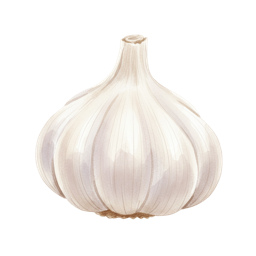
How to grow Garlic
in the US
Sow September to October, plant out November, harvest June to July. About 240 days from seed to plate. You can sow it this month.
Shown for zone 6. Zone table further down.
Garlic is proper rewarding, you know. It's a long wait from planting in fall to harvesting in summer, mind, but pulling those big, healthy bulbs out of the ground, well, that's a cracking feeling. And homemade garlic tastes miles better than anything you'll buy in the store, to be honest.
Sowing
Garlic is best planted direct in the fall, before your first hard frost, so the roots can get a good hold. For folks in USDA zones 3 and 4, that means September or October. Zones 5 and 6, same time really. If you're in zone 7, October into November works. For zones 8 and 9, you can go into December, and zone 10 can plant in November and December. Break a healthy bulb into individual cloves, then plant them pointy end up, about an inch deep and 4-6 inches apart. Make sure they're in a spot with good drainage.
Growing on
Once your garlic is in, there's not much faffing about to do. It'll just sit there over winter, looking a bit like chives, you know. You won't be pricking out or hardening off, because it's already outside in its permanent spot. They're not tender plants, these. Just make sure the soil doesn't get waterlogged. It'll start growing properly, putting on proper foliage, when spring arrives.
Looking after it
Garlic likes consistent moisture, especially when the bulbs are swelling in spring. Don't let it get bone dry during that time. A good mulch of compost around the plants helps keep weeds down and moisture in the soil. I don't usually feed mine much if the soil's good, but a bit of balanced feed in spring won't hurt. No pinching out or anything like that is needed.
What goes wrong
To be honest, garlic is pretty robust. Slugs aren't usually a big problem. You might see aphids or thrips sometimes, but a strong jet of water usually sorts 'em out. The main worries are white rot or rust. White rot means you need to avoid planting garlic or onions in that spot for many years. Rust looks a bit orange on the leaves; remove affected leaves to stop it spreading, and make sure there's good air circulation.
Harvest
You'll be harvesting your garlic around June or July, about 240 days after planting. The leaves will start to yellow and flop over, that's your sign it's ready. Dig 'em up carefully with a fork, don't just pull. Hang them in a cool, dry, airy spot, like my greenhouse, to cure for a few weeks. Once cured, store them in a mesh bag, somewhere cool and dark, and they'll keep for ages.
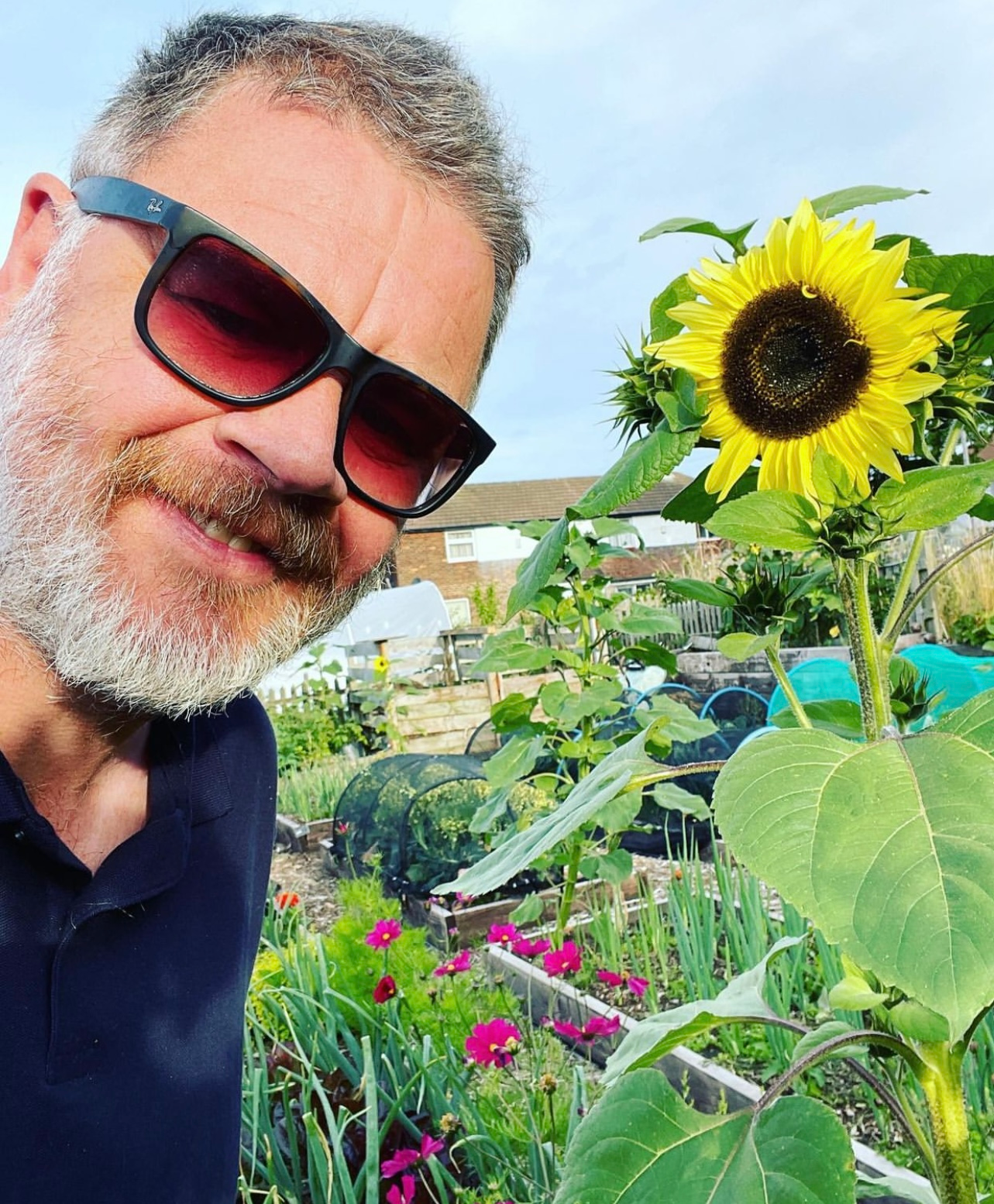
I always save my biggest, healthiest cloves from this year's harvest to plant again next fall. It's proper satisfying, and you know exactly what you're getting from your own plot.
Dates for your plot
Type your zone and the plant-out advice shifts to your frost dates.
Varieties, and whether the club would grow them again
| Variety | Club verdict |
|---|---|
| Music This is a cracking hardneck variety, very dependable for a good crop. It's a real all-rounder, great for most gardeners. | No club votes yet |
| German Extra Hardy A tough hardneck that lives up to its name, handling colder conditions well. Expect a strong flavor and good-sized bulbs. | No club votes yet |
| Spanish Roja This is a proper classic, a hardneck known for its rich, spicy flavor. It's a very popular choice for cooking. | No club votes yet |
| Chesnok Red A beautiful hardneck with a lovely purple tint, known for its superb baking quality. It holds its flavor wonderfully when cooked. | No club votes yet |
| Georgian Crystal This hardneck produces really big, easy-to-peel cloves with a mild, rich taste. It's a good one if you want less heat and more depth. | No club votes yet |
| Inchelium Red A softneck variety that gives good yields of large, flavorful bulbs. It's a reliable choice for braids and long storage. | No club votes yet |
| California Early As the name suggests, this is one of the first softnecks you can harvest. Great if you're keen to get your garlic crop in a bit sooner. | No club votes yet |
| California Late This softneck is a dependable, later-maturing variety, giving you good, solid bulbs. It's a popular choice for good reason. | No club votes yet |
| Lorz Italian A fine softneck variety, known for its excellent storage qualities and robust flavor. A proper workhorse in the kitchen. | No club votes yet |
| Nootka Rose This softneck has beautiful pinkish-purple wrappers and a medium-hot flavor. It's also known for storing really well. | No club votes yet |
| Silver White A classic softneck with bright white wrappers and a strong, pungent flavor. It's a very reliable and productive type. | No club votes yet |
| Early Italian Purple Another good early softneck, offering a mild, pleasant flavor and good sized bulbs. Perfect for getting an early taste of your own garlic. | No club votes yet |
| Siciliano This softneck produces decent-sized bulbs with a good, balanced garlic flavor. It's a dependable performer for general use. | No club votes yet |
| German Red A robust hardneck with a strong, spicy kick, perfect for those who like their garlic with some heat. It's a good, solid performer. | No club votes yet |
| Polish Hardneck This hardneck is known for its large cloves and vigorous growth, offering a good, strong garlic taste. It's a reliable choice for a hearty crop. | No club votes yet |
Votes are members rating varieties in their Seed Tin, one vote per gardener. Tap a variety for the full page and where to buy.
Buy Garlic seeds
Partner retailers. If you buy through these links we may earn a small commission. It never costs you more.
Sowing by USDA zone
| Zone | Sow / plant | Harvest |
|---|---|---|
| Zone 3 | September to October | July to August |
| Zone 4 | September to October | July to August |
| Zone 5 | September to October | June to August |
| Zone 6 | September to October | June to July |
| Zone 7 | October to November | May to July |
| Zone 8 | October to November | May to July |
| Zone 9 | October to December | May to June |
| Zone 10 | November to December | April to June |
Cook the harvest
Jumbo shrimp are sautéed in a generous amount of garlic-laden butter and white wine, creating a rich, glossy pan sauce in under 15 minutes. Spooned over linguine or mopped up with crusty bread, this is the kind of weeknight dinner that feels genuinely special without requiring any effort.
25 min · easyYoung green garlic, harvested before the bulb fully forms, has a mild, grassy sweetness that makes it ideal for gently cooking into a creamy, properly stirred risotto. Each bite is fragrant and delicate without the harsh heat of mature garlic, and a final stir of cold butter and Parmesan gives the dish its signature silkiness.
40 min · mediumA low, slow oven bake transforms a full head of garlic cloves and a pound of cherry tomatoes into something extraordinary — jammy, collapsed tomatoes and meltingly soft garlic swimming in fragrant, herb-infused olive oil. Spread it onto toast, toss it through pasta, or serve it alongside grilled meats straight from the pan.
65 min · easyDeeply savory, almost molasses-like black garlic is blended into a tare that transforms a simple chicken or vegetable stock into a ramen broth with extraordinary complexity. The black garlic adds layers of sweet, earthy umami that make this bowl taste like it simmered for hours even when it comes together in under an hour.
45 min · mediumWatch for, and grow alongside
Companions: tomatoes, roses, brassicas, beets
Questions people ask
When do you sow Garlic in the US?
Sow Garlic from September to October in zone 6, earlier or later by zone. Plant out November, after the last frost.
How long does Garlic take from sowing to harvest?
Roughly 240 days, with the harvest June to July.
Which Garlic varieties do gardeners grow again?
Club members rate every variety they grow. This page shows the grow-again votes for Music, German Extra Hardy, Spanish Roja, Chesnok Red and more.
Track your Garlic from packet to plate
Sowing reminders and harvest forecasts for your own frost dates, the Seed Tin, Scan Centre for any label or packet, and the Potty Mouth Garden Club. Free to start.
Allotment keeper in the North East of England, the voice behind the Tony C Smith YouTube channel, and the gardener who built GrowMore CookMore. Club numbers on this page update as members log their plots. Last updated 3 September 2026.