
Crops › Heirloom Tomato
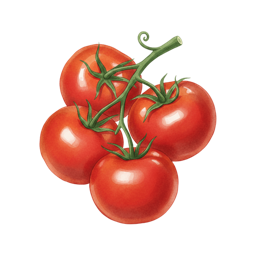
How to grow Heirloom Tomato
in the US
Sow February to March, plant out April, harvest May to June. About 80 days from seed to plate.
Shown for zone 6. Zone table further down.
Right then, heirloom tomatoes. Proper cracking things, these are. They're not always perfectly round or red, you know, but the flavors you get are just something else entirely. On my plot, they always stand out, a bit of a talking point with all their different colors and shapes.
Sowing
Starting heirloom tomatoes from seed is the way to go, seeing as you rarely find good plug plants. Get your seeds going indoors about 6-8 weeks before your last frost date, using seed trays or small pots filled with good potting mix. Sow them about a quarter inch (6mm) deep. For folks in Zone 5, March or April is your window, same for Zone 6 in February or March. Zone 7 growers can start February or March, and if you're in Zone 8 or 9, January or February is ideal. Keep them warm, around 70-75°F (21-24°C), and give them plenty of light.
Growing on
Once your seedlings have their first proper leaves, called true leaves, gently prick them out and pot them up into individual 3-4 inch (7-10cm) pots. Keep them growing strong indoors or in a greenhouse. Before planting out, you'll need to harden them off for about a week, gradually getting them used to the outdoors. Plant them in the ground or in large containers once all danger of frost has passed, making sure they're a good 2-3 feet (60-90cm) apart for decent airflow. Strong staking is a must, like I say, these can get big and heavy.
Looking after it
Heirloom tomatoes are hungry and thirsty plants, to be honest. Water deeply and regularly, especially when fruits are setting and sizing up. A good layer of mulch around the base will help keep that soil moisture even and suppress weeds. Feed them every couple of weeks with a balanced liquid fertilizer once they start flowering. Keep an eye on the side shoots, often called 'suckers', growing between the main stem and leaf branches; pinch these out to direct energy into fruit production.
What goes wrong
Now, these beauties can be a bit prone to a few issues, you know. Vigilant disease management is key, keep an eye out for any spots or yellowing leaves. Pests like hornworms, aphids, whiteflies, and cutworms can cause bother. For hornworms, just pick 'em off by hand; for aphids and whiteflies, a good blast of water or some insecticidal soap usually sorts 'em out. Cutworms can be a nuisance to young plants, so pop a collar around the stem at planting time.
Harvest
You'll be chuffed when these start ripening, usually about 80 days from sowing. Harvest your heirloom tomatoes when their shoulders soften a bit and the colors are fully expressed. Remember, some varieties will still have a bit of green even when they're perfectly ripe. Handle them gently when picking, mind, they can crack easily. Store them at cool room temperature and try to eat them promptly for the best texture and flavor. Don't put them in the fridge, it spoils the taste.

To be honest, with these big heirloom types, I always try to plant a basil plant right at the base of each tomato. Not only does it smell cracking when you're watering, but it helps keep a few of the unwanted visitors away too.
Dates for your plot
Type your zone and the plant-out advice shifts to your frost dates.
Varieties, and whether the club would grow them again
| Variety | Club verdict |
|---|---|
| Green Zebra Green-and-gold stripes with a tangy flavor, these are cracking for a gourmet salad. Best for those wanting something a bit different and a decent early crop too. | No club votes yet |
| Yellow Pear Small pear-shaped yellow fruits on vigorous vines, these are great fun to grow, especially for little hands. Perfect for snacking and adding a pop of color to salads. | No club votes yet |
| Lemon Boy A bright lemon-yellow hybrid slicer, this one gives you a proper good yield of mild-flavored fruit. It's a solid choice for dependable production and lovely slices. | No club votes yet |
| Big Rainbow A large red-gold bicolor beefsteak, this tomato is a real showstopper on the plate. Grow this one if you want impressive, flavorful fruits for sandwiches and salads. | No club votes yet |
| Chef’s Choice Orange A uniform orange hybrid with award-winning flavor, this is a top-notch choice for consistency. If you're after reliable, great-tasting orange tomatoes, this is your pick. | No club votes yet |
| Cherokee Green Chartreuse flesh when ripe with a rich, complex flavor, this is a real connoisseur's tomato. Don't let the green color fool you; it's proper tasty when ripe. | No club votes yet |
| Striped German Yellow-red marbled fruits that are sweet and aromatic, these are beautiful and delicious. Grow this for a stunning display and wonderful fresh eating. | No club votes yet |
| Mr. Stripey Big, mild-flavored, red-and-yellow striped fruits, this is another lovely bicolor that's easy on the palate. Great for those who enjoy a less acidic tomato with plenty of visual appeal. | No club votes yet |
Votes are members rating varieties in their Seed Tin, one vote per gardener. Tap a variety for the full page and where to buy.
Buy Heirloom Tomato seeds
Partner retailers. If you buy through these links we may earn a small commission. It never costs you more.
Sowing by USDA zone
| Zone | Sow / plant | Harvest |
|---|---|---|
| Zone 3 | January to April | April to July |
| Zone 4 | January to April | April to July |
| Zone 5 | March to April | June to July |
| Zone 6 | February to March | May to June |
| Zone 7 | February to March | May to June |
| Zone 8 | January to February | April to May |
| Zone 9 | January to February | April to May |
| Zone 10 | January to April | April to July |
Cook the harvest
A spectacular sharing board of grilled sourdough rubbed with garlic and topped with three different heirloom tomato preparations — a fresh herb mix, a roasted garlic version, and a balsamic-glazed style. Serves as a communal appetizer or summer lunch centerpiece. The tomatoes do all the work.
35 min · easyA free-form savory tart with a flaky, olive oil-enriched crust filled with herbed ricotta and blanketed with overlapping heirloom tomato slices in multiple colors. This rustic galette is as good for brunch as it is for dinner, and it photographs like a professional cookbook cover. Summer in a single crust.
70 min · mediumA deeply roasted, silky tomato soup made with mixed heirloom varieties that brings out the best of each one. Roasting the tomatoes first concentrates their flavor dramatically, and a swirl of cream and fresh basil finishes it beautifully. Far better than anything canned — and this is coming from someone who liked canned.
55 min · easyA showstopper summer salad built on the extraordinary combination of heirloom tomatoes and burrata. Multi-colored thick-sliced tomatoes surround a creamy burrata that breaks open as you serve it. Dressed with nothing more than excellent olive oil, flaky salt, and herbs. One of summer's great pleasures.
15 min · easyWatch for, and grow alongside
Companions: Basil, Marigolds, Carrots, Onions
Questions people ask
When do you sow Heirloom Tomato in the US?
Sow Heirloom Tomato from February to March in zone 6, earlier or later by zone. Plant out April, after the last frost.
How long does Heirloom Tomato take from sowing to harvest?
Roughly 80 days, with the harvest May to June.
Which Heirloom Tomato varieties do gardeners grow again?
Club members rate every variety they grow. This page shows the grow-again votes for Green Zebra, Yellow Pear, Lemon Boy, Big Rainbow and more.
Track your Heirloom Tomato from packet to plate
Sowing reminders and harvest forecasts for your own frost dates, the Seed Tin, Scan Centre for any label or packet, and the Potty Mouth Garden Club. Free to start.
Allotment keeper in the North East of England, the voice behind the Tony C Smith YouTube channel, and the gardener who built GrowMore CookMore. Club numbers on this page update as members log their plots. Last updated 3 September 2026.