Crops › Napa Cabbage
How to grow Napa Cabbage
in the US
Sow March to September, plant out October, harvest June to November. About 70 days from seed to plate. You can sow it this month.
Shown for zone 6. Zone table further down.
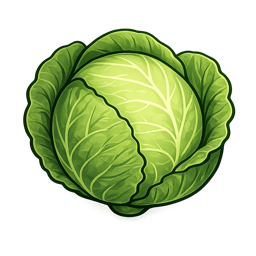
Napa cabbage, or Chinese cabbage as some folks call it, is a cracking vegetable to grow, really. It’s got a lovely mild flavor and is much softer than your usual round cabbages, proper versatile in the kitchen. On the plot, it grows a bit more upright, like a big lettuce head, which is nice for fitting in.
Sowing
Napa cabbage is a cool-season crop, so you’ll want to get it going in spring or for a fall harvest, checking your local last and first frost dates. You can sow seeds direct into the ground, about half an inch (1 cm) deep, spaced 12 to 18 inches (30-45 cm) apart. Or, if you’re like me and like to get a head start, sow them indoors in pots a few weeks before your last frost, then transplant them out once they’re big enough. For a steady supply, sow a few seeds every couple of weeks, that's what we call succession planting.
Growing on
If you've sown direct and got too many seedlings, thin them out to give each plant enough room, about 12 to 18 inches (30-45 cm) between them. For those started indoors, they’ll need a bit of hardening off before going out. That means gradually getting them used to the cooler air and sun for about a week. Plant them out when the danger of hard frost has passed, ensuring they've got good space to form those nice, tight heads.
Looking after it
These plants like a steady supply of water, especially as they start to form their heads, so try not to let them dry out. A good mulch can really help keep the moisture in and stop weeds from popping up. I don't usually feed them much if the soil's decent, but a bit of balanced liquid feed won't hurt if they look a bit sluggish.
What goes wrong
Like most of the brassica family, Napa cabbage can attract a few unwelcome visitors. Cabbage worms and loopers are the main culprits, they’ll munch holes in the leaves, you know. Aphids can sometimes be a bother too. The best thing, to be honest, is to cover them with a fine mesh row cover from the start; it stops the moths laying eggs and keeps the flea beetles away.
Harvest
You're looking for firm, compact heads, usually about 70 days after sowing, depending on the variety and when you started them. Just cut the whole head at the base with a sharp knife. If you get a proper glut, you can store them in a cool, dry place for a good while, or pop them in the fridge to keep them crisp. They're cracking in stir-fries or kimchi, like I say.

I always try to get a fall crop in with Napa cabbage, it seems to grow a bit sweeter when the nights start getting cooler, proper chuffed with the results.
Dates for your plot
Type your zone and the plant-out advice shifts to your frost dates.
Varieties, and whether the club would grow them again
| Variety | Club verdict |
|---|---|
| Bilko Bilko is a reliable Napa Cabbage variety, known for its consistent performance. It's a good choice if you're starting seeds indoors to get a jump on the season. | No club votes yet |
| Minuet Minuet is another solid choice for Napa Cabbage, known for its dependable growth. This one does well when direct-sown straight into the garden. | No club votes yet |
| One Kilo SB One Kilo SB is a productive Napa Cabbage, aimed at getting you a good harvest. Starting this variety undercover gives it a protected start before going out. | No club votes yet |
| Michihili Michihili is a classic, tall variety of Napa Cabbage, known for its cylindrical heads. It's often best started indoors to ensure a strong beginning. | No club votes yet |
| Rubicon Rubicon offers a sturdy growth habit for your Napa Cabbage plants. It's a good performer when sown directly into the ground. | No club votes yet |
| China Express China Express is a faster-growing Napa Cabbage, good for quick turnaround harvests. Giving it an undercover start can really speed things along. | No club votes yet |
| Wong Bok Wong Bok is a well-loved type of Napa Cabbage, producing compact, tasty heads. Starting these indoors gives them a good foundation before transplanting. | No club votes yet |
| Optiko Optiko is a reliable variety that produces good quality Napa Cabbage heads. This one prefers being sown straight out into the garden. | No club votes yet |
| Monument Monument is a robust Napa Cabbage that delivers substantial harvests. Giving it an undercover start can protect young plants from early season chills. | No club votes yet |
| Kasumi Kasumi is a good choice for those wanting a dependable Napa Cabbage. Starting this variety indoors helps ensure a healthy start to its growth. | No club votes yet |
| Emiko Emiko is a sturdy Napa Cabbage variety, known for its consistent performance. It's well-suited for direct sowing in your garden beds. | No club votes yet |
| Yuki Yuki produces nice, firm heads of Napa Cabbage, a good choice for your plot. Starting it undercover can help get it established before planting out. | No club votes yet |
| Kaitlin Chinese Kaitlin Chinese is a solid, reliable Napa Cabbage, good for most gardeners. Getting these seeds started indoors gives them a proper head start. | No club votes yet |
| Spring Crisp Spring Crisp is a good variety for a fresher texture and flavor in your Napa Cabbage. It's best sown directly into your outdoor beds. | No club votes yet |
| Emiko Mini Emiko Mini is a smaller Napa Cabbage, perfect for tight spaces or individual portions. Starting this one undercover is a good way to give it a strong start. | No club votes yet |
Votes are members rating varieties in their Seed Tin, one vote per gardener. Tap a variety for the full page and where to buy.
Buy Napa Cabbage seeds
Partner retailers. If you buy through these links we may earn a small commission. It never costs you more.
Sowing by USDA zone
| Zone | Sow / plant | Harvest |
|---|---|---|
| Zone 3 | May to July | August to September |
| Zone 4 | April to August | July to October |
| Zone 5 | April to August | June to October |
| Zone 6 | March to September | June to November |
| Zone 7 | March to September | May to November |
| Zone 8 | March to October | May to December |
| Zone 9 | February to November | April to December |
| Zone 10 | February to December | April to December |
Cook the harvest
The most iconic kimchi recipe — whole napa cabbage halves salted overnight, then packed with a vibrant paste of gochugaru, garlic, ginger, fish sauce, and daikon radish to ferment into the quintessential Korean condiment. While it takes patience, the process is straightforward and the result is incomparably better than store-bought: deeply complex, fiery, funky, and bright. Napa cabbage is the traditional and definitive choice for this recipe.
45 min · mediumTender steamed or pan-fried dumplings filled with a classic combination of minced pork, napa cabbage, ginger, and sesame — the quintessential Chinese dumpling filling that is beloved for good reason. The napa cabbage adds moisture and a gentle sweetness that keeps the filling juicy without being heavy. These dumplings take a little time but the result is far superior to anything from the freezer aisle.
60 min · mediumAuthentic kimchi — fermented napa cabbage with gochugaru, garlic, ginger, and fish sauce — is one of the most rewarding fermentation projects a home cook can undertake. The result is tangy, deeply savory, pleasantly funky, and alive with flavor that no store-bought version can match. After three days on the counter, you'll have kimchi that rivals any Korean restaurant.
30 min · mediumThe classic Chinese dumpling filling — seasoned ground pork and finely chopped napa cabbage — that works for potstickers, wontons, or steamed dumplings. Salting and squeezing the cabbage is the crucial step that prevents a soggy filling. This makes enough for about 40 dumplings, and it freezes beautifully.
50 min · mediumWatch for, and grow alongside
Companions: onions, celery, dill, potatoes, beets
Questions people ask
When do you sow Napa Cabbage in the US?
Sow Napa Cabbage from March to September in zone 6, earlier or later by zone. Plant out October, after the last frost.
How long does Napa Cabbage take from sowing to harvest?
Roughly 70 days, with the harvest June to November.
Which Napa Cabbage varieties do gardeners grow again?
Club members rate every variety they grow. This page shows the grow-again votes for Bilko, Minuet, One Kilo SB, Michihili and more.
Track your Napa Cabbage from packet to plate
Sowing reminders and harvest forecasts for your own frost dates, the Seed Tin, Scan Centre for any label or packet, and the Potty Mouth Garden Club. Free to start.
Allotment keeper in the North East of England, the voice behind the Tony C Smith YouTube channel, and the gardener who built GrowMore CookMore. Club numbers on this page update as members log their plots. Last updated 3 September 2026.