
Crops › Paste Tomato
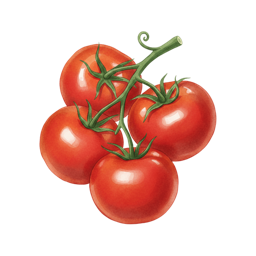
How to grow Paste Tomato
in the US
Sow February to March, plant out April, harvest May to June. About 75 days from seed to plate.
Shown for zone 6. Zone table further down.
If you're after a tomato that'll really work hard for you in the kitchen, paste varieties are the business. They're bred for sauces and canning, so you get dense, meaty flesh and not a lot of watery seeds. They can be a cracking addition to any backyard.
Sowing
You'll want to start these indoors, like I say, because they need warmth to get going. Sow your seeds about 1/4 inch deep in trays or small pots. The best time depends on your climate zone: March to April for zone 5, February to March for zones 6 and 7, and January to February if you're in zones 8 or 9. Keep them somewhere warm, around 70-75°F (21-24°C) is ideal for good germination. Don't rush it, give them a good start.
Growing on
Once they've got a couple of true leaves, carefully prick them out into individual 3-4 inch pots. Keep them growing strong and sturdy. Before planting out, you'll need to harden them off for about 10-14 days, gradually getting them used to the outdoors. Don't plant them into the ground until all danger of last frost has passed, you know what I mean. Give them about 2-3 feet (60-90 cm) between plants and make sure they have a good sturdy stake or cage for support.
Looking after it
Paste tomatoes love a steady supply of moisture, so keep the soil evenly damp, especially when the fruits are setting. Mulching around the base with some straw or compost helps a lot, keeps the moisture in and stops the fruits splitting. Feed them with a low-nitrogen fertilizer once they start flowering. A light prune to remove any yellowing leaves is usually enough; don't go mad with it.
What goes wrong
Like any tomato, these can attract a few unwelcome visitors. Hornworms are big eaters, you'll spot their droppings first, then the big green caterpillars – pick 'em off. Aphids and whiteflies can be a nuisance, a good spray of soapy water often sorts them out. Cutworms can be a problem for young plants, so a collar around the stem at planting time can save them. Keep an eye out and act quick.
Harvest
You'll be chuffed when these start to ripen, usually around 75 days from sowing. Wait until they're fully colored up and feel a bit firm. I tend to let a whole cluster ripen together; it makes batch processing easier, you know. Pick them gently. They'll keep for a few days at room temperature, but they're proper cracking for canning, roasting, or drying to extend that harvest.

To be honest, I always make sure to put in my stakes for these when I plant them out. Trying to stake a fully grown plant loaded with fruit is a right faff and you risk damaging the roots.
Dates for your plot
Type your zone and the plant-out advice shifts to your frost dates.
Varieties, and whether the club would grow them again
| Variety | Club verdict |
|---|---|
| San Marzano This is the classic Italian paste tomato, famous for its dense flesh and very few seeds, which makes it perfect for sauces. If you're serious about your passata and want that authentic flavor, this is the one to grow. | No club votes yet |
| Amish Paste An heirloom variety that gives you lovely large, oval fruits with a proper meaty texture and sweet flavor. This is a cracking choice for folks who appreciate old-fashioned taste and versatile cooking tomatoes. | No club votes yet |
| Roma A really reliable plum tomato, Roma is a go-to for canning and making rich sauces. It's a solid, dependable choice for beginners and experienced growers alike. | No club votes yet |
| Viva Italia This hybrid is a Roma-type, known for its excellent yields and good disease resistance. If you want a consistent, abundant crop of paste tomatoes without too much fuss, give Viva Italia a try. | No club votes yet |
| Juliet Juliet produces charming grape-shaped fruits, a bit different from your usual paste tomato but still great for cooking. They're particularly good for roasting and drying, offering a sweet, concentrated flavor. | No club votes yet |
| Principe Borghese A traditional Italian drying tomato, Principe Borghese has small, plum-shaped fruits with an incredibly concentrated flavor. If you're keen on making your own sun-dried tomatoes, this variety is absolutely perfect for it. | No club votes yet |
| Opalka This heirloom offers long, sausage-shaped paste tomatoes with a really rich, deep taste. It's a fantastic option for those who want a meaty, flavorful tomato for special sauces and pastes. | No club votes yet |
Votes are members rating varieties in their Seed Tin, one vote per gardener. Tap a variety for the full page and where to buy.
Buy Paste Tomato seeds
Partner retailers. If you buy through these links we may earn a small commission. It never costs you more.
Sowing by USDA zone
| Zone | Sow / plant | Harvest |
|---|---|---|
| Zone 3 | January to April | April to July |
| Zone 4 | January to April | April to July |
| Zone 5 | March to April | June to July |
| Zone 6 | February to March | May to June |
| Zone 7 | February to March | May to June |
| Zone 8 | January to February | April to May |
| Zone 9 | January to February | April to May |
| Zone 10 | January to April | April to July |
Cook the harvest
A pure, bright, fast tomato sauce made the way it is meant to be — ripe paste tomatoes, plenty of garlic, olive oil, and basil, cooked quickly so the tomatoes taste of themselves. Paste tomatoes are the ideal choice: their low moisture and high solids give a sauce that is thick, clingy, and intensely flavored without needing hours on the stove. This is the sauce that improves every pasta it touches and makes a perfect base for pizza, braising, or dipping.
35 min · easyPaste tomatoes roasted low and slow with garlic, onion, and olive oil until they are caramelized and intensely sweet, then blended into a velvety, deeply flavored soup that puts canned tomato soup to shame. The slow roasting concentrates the sugars and eliminates excess water, giving a soup that is thick, rich, and naturally sweet without any cream or stock. Serve with grilled cheese for the greatest possible pairing in the history of soup.
85 min · easyA rich, concentrated tomato paste made by roasting halved paste tomatoes until their water evaporates and their sugars caramelize, then puréeing and slow-cooking the result down to a thick, brick-red paste of extraordinary flavor. The depth in homemade tomato paste is incomparable to any store-bought version — it carries the sweetness of peak-season fruit alongside a roasted, slightly smoky complexity. A batch made during Roma season freezes beautifully in small portions that will upgrade every sauce, stew, and braise for months.
150 min · easyRoma tomatoes slow-cooked in a generous pool of olive oil with garlic, herbs, and a pinch of sugar until they become impossibly tender, sweet, and concentrated. The technique — French in origin but perfectly suited to American summer tomatoes — transforms even ordinary Romas into something luxurious. The oil itself becomes an extraordinary condiment, soaking up all the tomato and herb flavour.
100 min · easyWatch for, and grow alongside
Companions: Basil, Marigolds, Carrots, Onions
Questions people ask
When do you sow Paste Tomato in the US?
Sow Paste Tomato from February to March in zone 6, earlier or later by zone. Plant out April, after the last frost.
How long does Paste Tomato take from sowing to harvest?
Roughly 75 days, with the harvest May to June.
Which Paste Tomato varieties do gardeners grow again?
Club members rate every variety they grow. This page shows the grow-again votes for San Marzano, Amish Paste, Roma, Viva Italia and more.
Track your Paste Tomato from packet to plate
Sowing reminders and harvest forecasts for your own frost dates, the Seed Tin, Scan Centre for any label or packet, and the Potty Mouth Garden Club. Free to start.
Allotment keeper in the North East of England, the voice behind the Tony C Smith YouTube channel, and the gardener who built GrowMore CookMore. Club numbers on this page update as members log their plots. Last updated 3 September 2026.